What Is Oral Cancer Screening and Who Needs It?
What Is Oral Cancer Screening and Who Needs It?
You know, sometimes we don't think about it, but our mouth is a pretty important part of our body. It's not just for eating and talking; it's also a place where some serious stuff can happen, like cancer. That's why knowing about oral cancer screening and why it's done is a good idea. It's a quick check that could make a big difference. Let's break down what it is and who should be thinking about getting one.
What You Need to Know
- Oral cancer screening is a check performed by a dentist or doctor to look for early signs of cancer in the mouth and throat.
- Dentists usually perform screenings during regular check-ups, involving a visual and tactile examination of the mouth, throat, tongue, and neck.
- While anyone can get oral cancer, certain factors like age (over 40), tobacco use, and heavy alcohol consumption increase your risk.
- Early detection is key; oral cancer screenings can help find the disease when it's most treatable, significantly improving survival rates.
- Most dentists recommend annual screenings, especially for those over 40 or with risk factors, but self-exams at home can also be beneficial.
What Is Oral Cancer Screening?
How is oral cancer screening done at the dentist?
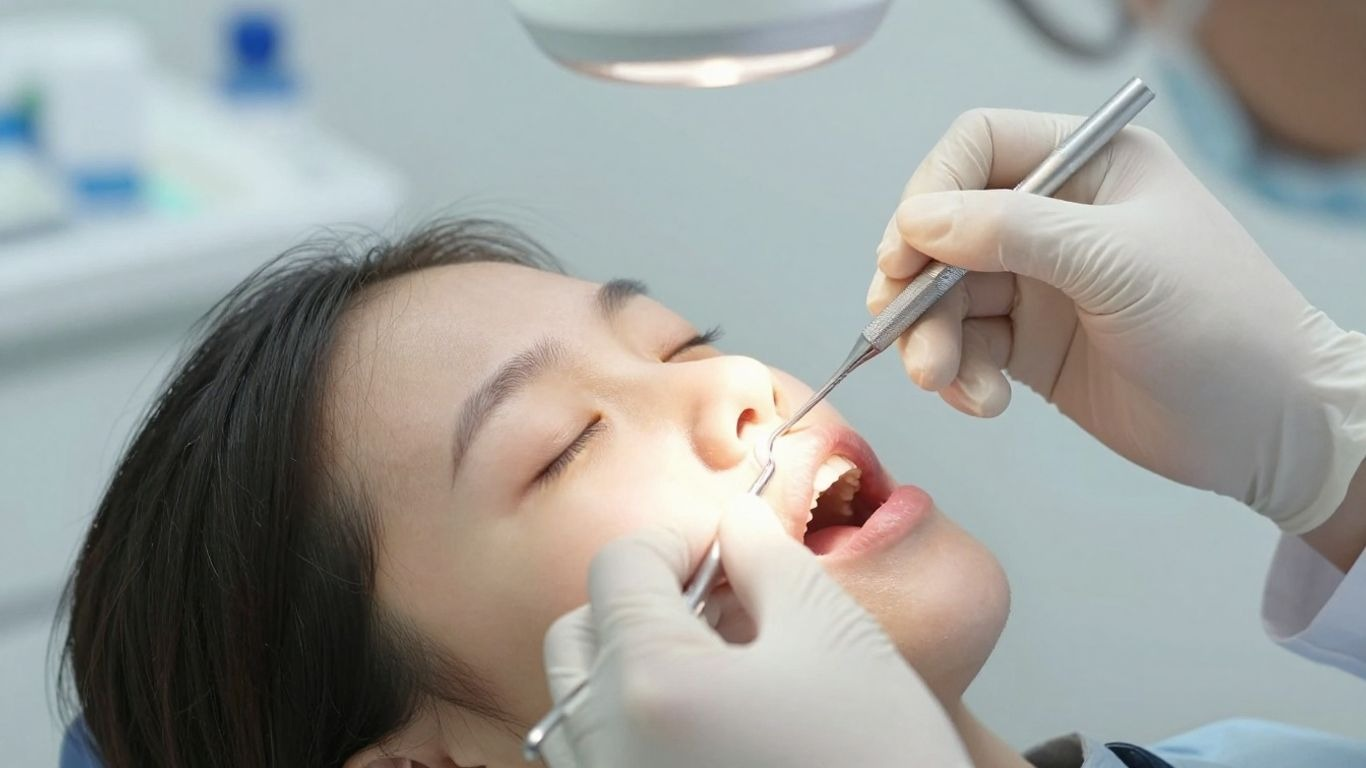
So, what exactly is oral cancer screening? Basically, it's a quick check your dentist or doctor does to look for any signs of cancer in your mouth. The main goal is oral cancer early detection, meaning finding any potential problems as early as possible when they're usually easier to treat. It's a pretty straightforward process, and most of the time, it's done right there during your regular dental check-up. They're not just looking at your teeth, you know; they're examining your whole mouth – your tongue, the roof and floor of your mouth, your gums, and the inside of your cheeks.
Here's a general idea of what happens:
- Visual Check: Your dentist will look closely at the tissues in your mouth. They're looking for any unusual red or white patches, sores that don't heal, or any lumps or bumps that seem out of the ordinary.
- Tactile Exam: They'll also use their fingers to feel around your mouth and neck. This helps them check for any swelling or abnormalities you might not be able to see or feel yourself.
- Special Tools (Sometimes): Some dentists might use special lights or rinses that can make abnormal tissues stand out more. These aren't always used, but they can be helpful in spotting things that might otherwise be missed.
It's important to remember that a screening isn't a diagnosis. If your dentist finds something suspicious, they'll likely recommend further tests, like a biopsy, to figure out exactly what it is. But that initial screening is the first step in catching potential issues early.
The whole point of these screenings is to catch things early. Think of it like a regular tune-up for your car; you want to find small problems before they turn into big, expensive ones. For oral cancer, finding it early can make a huge difference in treatment and recovery.
This whole process is usually painless and doesn't take much time at all. It's a really important part of keeping your overall health in check, and it's something most adults should have done regularly.
Why Is Oral Cancer Screening Important?
When most folks think about trips to the dentist, they worry about cavities or maybe getting their teeth cleaned. Not everyone realizes that a simple checkup can actually catch way bigger problems—like oral cancer. The big deal with oral cancer screening is that it helps spot cancer early, when it’s easiest to treat and before it spreads.
Here’s why the oral cancer screening importance factor really can’t be ignored:
- Oral cancer can develop without obvious pain or symptoms at the start (which is terrifyingly sneaky).
- Early-stage oral cancer is much more treatable, often with fewer nasty side effects than late-stage cancer treatment.
- Certain risk factors (like tobacco, alcohol, or even certain viruses) can bump up your risk—sometimes without you even realizing it.
Reason for Screening
Why It Matters
Early detection
Increases survival rates and treatment options
Finds hidden changes
Some cancers may not cause pain or symptoms early
Risk education
Dentists can talk to you about your personal risks
If you catch oral cancer before it spreads, your chances of a good outcome shoot way up. That’s why these quick, non-scary screenings at your dentist are worth doing, even if you feel totally fine.
So, don’t skip out on your next checkup thinking you’re safe. Oral cancer screening isn’t just for people who smoke or drink—it’s a smart move for everyone, just to play it safe.
Who Needs Oral Cancer Screening?
If you’ve ever wondered who needs oral cancer screening, the truth is, it’s not just people who smoke or drink. Dentists often recommend screenings for any adult looking to catch problems early—because, honestly, mouth cancer can show up in anyone, not just those considered "high risk."
Let’s paint a clearer picture of who should definitely consider regular oral cancer screenings:
- Adults over 40 (yep, that milestone birthday means more than just black balloons)
- Anyone who uses tobacco (including cigarettes, cigars, pipes, or chewing tobacco)
- Heavy or regular drinkers
- People who spend a lot of time in the sun (lips can get cancer, too)
- Anyone who has had oral cancer before
- People living with HPV (certain strains can up your risk)
- Those with a family history of cancer
Are you at risk? Signs that you should get screened
You might want to move an oral cancer screening higher up your to-do list if:
- You’ve noticed unexplained sores or lumps in your mouth that won’t go away.
- You have persistent pain, numbness, or problems swallowing.
- You spot red or white patches inside your mouth or on your tongue.
Risk Factor
How Often to Screen
Age 18-40
Every 2 years
Age 40+
Annually
Tobacco or Alcohol Use
Annually (start from age used)
Previous Oral Cancer
As advised by your dentist
Just because you’re not in a "high risk" group doesn’t mean you’re exempt. Getting checked is quick, painless, and could save you a lot of grief down the road.
You don’t need to feel nervous or overthink this. At your next dental checkup, just ask about it. Odds are, your dentist is already looking out for suspicious signs anyway. Better to be safe (and get peace of mind) than sorry.
Early Signs of Oral Cancer You Should Never Ignore
Okay, so we all know that catching things early is usually the best game plan, right? This is especially true when it comes to oral cancer. While your dentist is the pro at spotting the really subtle stuff during a screening, it's good to know what to look out for yourself. Paying attention to changes in your mouth could make a huge difference.
So, what are some of the common signs of oral cancer that you shouldn't just brush off? Think of your mouth as a landscape. You're looking for anything that seems out of place, like a weird patch of color, a sore that just won't quit, or a lump that wasn't there before.
Here are some things to keep an eye on:
- Sores or Irritation: This is a big one. If you have a sore, a lump, or even just a patch of tissue that feels rough or painful in your mouth, and it doesn't heal up within a couple of weeks, get it checked out. This could be on your tongue, gums, tonsils, or the lining of your cheeks.
- Color Changes: Notice any white, red, or even grayish patches in your mouth? These can be signs that something's up. Sometimes they're painless at first, which is why you really need to look closely.
- Lumps or Thickening: Feel around your mouth and neck. Is there a new lump or a spot that feels thicker than the surrounding tissue? This could be a sign that needs a closer look.
- Trouble Chewing or Swallowing: If you suddenly find it difficult to chew, swallow, or move your jaw or tongue, don't ignore it. This could indicate a more advanced issue.
- Voice Changes: A persistent sore throat or a noticeable change in your voice, especially if it sounds raspy or hoarse, might be related to oral cancer, particularly if it affects the throat area.
It's easy to dismiss a little bump or a sore as just biting your tongue or a canker sore. But if it sticks around for more than 14 days, it's time to stop guessing and get a professional opinion. Don't wait for pain; many early oral cancers don't hurt.
Remember, these signs aren't a definite diagnosis, but they are red flags. Your dentist or doctor has the tools and training to figure out what's going on. So, if you notice any of these signs of oral cancer, make that appointment. It’s better to be safe than sorry, and early detection really is key to successful treatment.
How Early Detection Can Save Your Life
Okay, let's talk about why catching oral cancer early is such a big deal. It's not just about finding something; it's about finding it when it's small and much easier to deal with. Think of it like finding a tiny weed in your garden versus a whole patch that's taken over. The earlier you spot it, the less work it is to get rid of.
How often should you get an oral cancer screening?
So, how often should you be getting checked out? Most dentists will check during your regular dental cleanings, which are usually every six months. But if you're at higher risk, your dentist might suggest more frequent screenings. It's really about what makes sense for your personal health.
Here's a general idea:
- Everyone: Aim for a screening at least once a year, often done during your regular dental check-up.
- Higher Risk Individuals: If you use tobacco, drink alcohol regularly, have a history of HPV, or have had oral cancer before, you might need screenings more often, perhaps every six months.
- Self-Checks: Don't wait for the dentist! Get in the habit of checking your own mouth once a month. It's a great way to notice any changes between professional visits.
The survival rate for oral cancer drops significantly as it progresses. Catching it in the early stages, when it's localized, can mean a survival rate of over 80%, sometimes even higher. When it spreads, that number can fall dramatically.
There are some cool tools dentists might use, like a special blue light that can help spot abnormal tissue that you might not see with the naked eye. It's not a magic bullet, and not everything it highlights is cancer, but it's an extra set of eyes, so to speak. Newer tests are also popping up that look at saliva or cells for markers, but they're still being studied to see just how helpful they are for everyone.
So, what's the Takeaway?
Alright, so we've talked about what oral cancer screenings are and why they're a good idea. Basically, getting checked out regularly, especially if you're over 40 or have other risk factors, is just smart. It's a quick, usually painless thing your dentist can do during a regular visit. Think of it like getting your oil changed – you do it to catch small problems before they become big, expensive headaches. Don't wait until something feels really wrong; a little check-up now could make a huge difference down the road. If you're due for a dental visit, ask about it. It's a simple step that could be really important for your health.
Frequently Asked Questions
What exactly is an oral cancer screening?
An oral cancer screening is a quick check your dentist or doctor does to look for any signs of cancer in your mouth or throat. It's like a routine check-up for your mouth to catch anything unusual early on.
How is an oral cancer screening performed?
During a screening, your dentist will carefully look at and feel the tissues in your mouth, including your tongue, cheeks, gums, and the roof and floor of your mouth. Sometimes, they might use a special light or rinse to help spot any changes.
Who should get screened for oral cancer?
Everyone should be aware of the risks, but screenings are especially important for people over 40, those who use tobacco products, or drink alcohol regularly. If you have any concerns, it's always a good idea to ask your dentist about it.
How often do I need an oral cancer screening?
Most dentists recommend an oral cancer screening once a year, especially if you're over 40 or have other risk factors. For younger people without risk factors, it might be done every couple of years.
What happens if something is found during the screening?
If your dentist notices something that could be concerning, they might suggest further tests, like a biopsy, to get a clearer picture. Early detection is key, and these extra steps help figure out the best plan for treatment.
Can I check for oral cancer myself at home?
Yes, you can do a self-exam at home once a month by looking in the mirror and checking your mouth for any unusual sores, lumps, or color changes. However, this doesn't replace regular check-ups with your dentist.
Blog Post Author

Contributed by DentalROI
DentalROI provides relevant dental content to help providers educate patients. The statements, services, and products referenced in this article have not been evaluated by the Food and Drug Administration, and they are not intended as a substitute for professional medical advice, diagnosis, or treatment. Always seek the advice of your dental provider with any questions or issues you may have. Specific recommendations may vary in different circumstances, so individual consultation is important.