What Are Composite Fillings and Are They Better Than Silver Fillings?
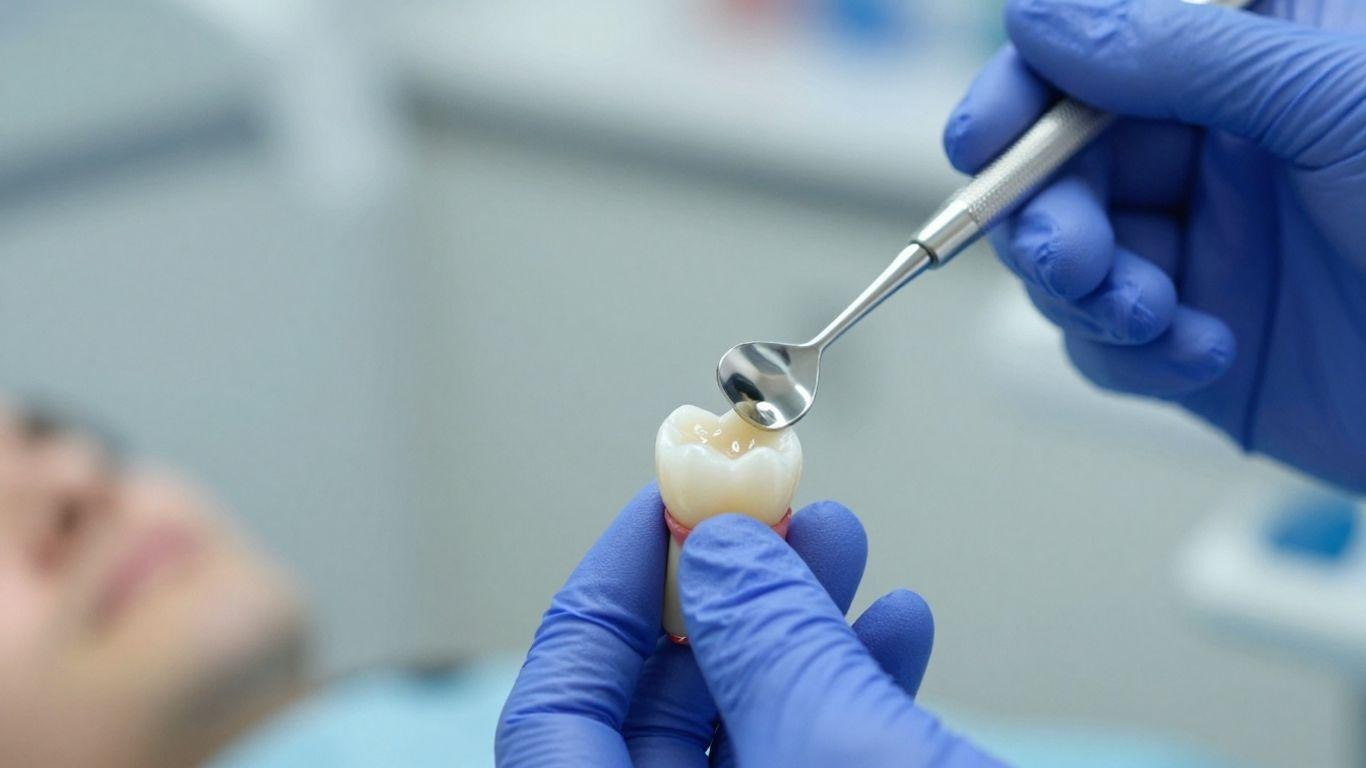
So, what exactly are composite fillings? Basically, they're a type of dental filling made from a mix of plastic and fine glass particles. Think of it like a super-strong, tooth-colored putty. Dentists use these to fix cavities, but they're also great for making cosmetic tweaks to your smile, like changing a tooth's color or reshaping it.
Composite Resin Filling Explained
When a dentist talks about a "composite resin filling," they're referring to these tooth-colored fillings. They weren't always as tough as they are now. Back in the day, they were mostly for the front teeth because they couldn't handle the heavy chewing forces on the back teeth. But science has come a long way, and now they're strong enough for pretty much anywhere in your mouth.
Placing a composite filling is a bit more involved than just plopping it in. The dentist will first clean out the decay and prep the tooth. Then, they apply the composite material in layers. Each layer gets hardened with a special light. After it's all in and hardened, the dentist shapes it to look just like your natural tooth and polishes it up so it's smooth and less likely to stain or wear down quickly.
Tooth-Colored Fillings: Benefits and Durability
The biggest win with composite fillings is how they look. Dentists can actually mix different shades to get a color that perfectly matches your natural teeth. So, when you smile or laugh, no one will even know you have a filling. They also bond directly to your tooth, which helps support the remaining tooth structure and can even protect it a bit from temperature changes. Plus, dentists often don't need to remove as much healthy tooth material to place a composite filling compared to older types of fillings.
Here's a quick rundown of why people like them:
- Looks natural: They blend right in with your teeth.
- Tooth-conserving: Often requires less drilling.
- Bonds to tooth: Helps support the tooth structure.
While they look great and are a good option for many situations, it's worth noting that composite fillings might not last quite as long as some other types, especially under heavy chewing. They can also sometimes take a little longer to place than a traditional silver filling.
How long they last can really depend on where they are in your mouth and how much stress they're under. For smaller fillings in less-chewed areas, they can do great for years. But for big fillings on back teeth that take a lot of force, they might need replacing sooner than you'd hope.
Composite Fillings vs Silver Amalgam Fillings
So, you've got a cavity, and your dentist is talking about fillings. You might be wondering about the difference between those tooth-colored composite ones and the old-school silver amalgam fillings. It's a pretty common question, and honestly, there are some key differences to think about.
Are Composite Fillings Better Than Metal Fillings?
This is the million-dollar question, right? Well, it's not a simple yes or no. Both composite fillings (the tooth-colored ones) and silver amalgam fillings (the metal ones) have their own good points and not-so-good points. The "better" one really depends on what's most important to you and where the filling is going in your mouth.
Let's break down how they stack up against each other:
- Appearance: This is where composites really shine. They're made to match the color of your natural teeth, so nobody will even know you have a filling. Silver fillings, on the other hand, are, well, silver. They can be pretty noticeable, especially if they're on your front teeth.
- Durability: Silver amalgam fillings have a reputation for being super tough and long-lasting. We're talking potentially 15-20 years or even more. Composites are pretty durable too, but they might not last quite as long, often in the 7-10 year range, and can sometimes wear down faster, especially under a lot of chewing pressure.
- Tooth Preservation: When a dentist puts in a composite filling, they usually don't have to remove as much of your natural tooth structure. That's because composites actually bond to your tooth. Silver fillings, however, don't bond; they're packed into the cavity, which sometimes means removing a bit more of the healthy tooth.
- Placement: Composites can be a bit more finicky to place. They need a dry environment, which can be tricky sometimes. Silver fillings are generally quicker and easier to put in, which can be a plus, especially for kids or folks who don't like sitting in the dental chair for too long.
- Expansion/Contraction: Silver fillings can expand and contract a bit with hot and cold temperatures. This can sometimes put stress on the tooth over time. Composites don't have this issue.
When it comes down to it, dentists often use silver fillings for back teeth (molars) where they won't be seen and need to withstand a lot of chewing force. For cavities on front teeth or smaller ones where appearance matters, composite fillings are usually the go-to choice.
So, while composites offer a more natural look and can be more conservative with tooth structure, silver fillings often win on sheer longevity and toughness. It's a trade-off, and your dentist can help you figure out which one makes the most sense for your specific situation.
Pros and Cons of Composite vs Silver Fillings
So, you've got a cavity, and now you're wondering about fillings. It's a common situation, and dentists have a couple of main options: the tooth-colored composite kind or the classic silver amalgam. Both get the job done, but they've got their own quirks. Let's break down what makes each one tick.
How Long Do Composite Fillings Last?
When we talk about how long fillings stick around, it's a bit of a mixed bag. Composite fillings, the ones that blend in with your teeth, are pretty good, but they might not last as long as their silver counterparts. Studies show they typically hang in there for about 7 to 10 years. Now, that's not too shabby, but it does mean you might need a replacement sooner rather than later, especially if you're putting a lot of pressure on them, like when you're chewing tough foods.
On the flip side, silver amalgam fillings have a reputation for being super durable. Many dentists believe they can last 15 years or even longer, sometimes over 20 years. They're made of a mix of metals, including mercury, silver, tin, and copper, which makes them really strong. This strength is why they're often recommended for back teeth, the ones that do most of the heavy lifting when you eat.
Here's a quick look at what you can expect:
- Composite Fillings: Generally last 7-10 years.
- Silver Amalgam Fillings: Can last 15-20+ years.
- It's worth noting that how long any filling lasts really depends on a bunch of things, like how well you take care of your teeth, where the filling is in your mouth, and how much you chew on that side.
When it comes to the actual placement, composite fillings have a slight edge because they bond directly to your tooth. This means dentists often don't have to remove as much healthy tooth structure compared to silver fillings, which are basically just packed into the cavity. Less drilling means more of your natural tooth is preserved, which is always a good thing.
So, while silver fillings might win on sheer longevity, composite fillings offer that natural look and require less tooth removal. It's a trade-off, and what's best for you really depends on what you're looking for and where the cavity is located.
Should You Choose Composite or Silver Fillings?
So, you've got a cavity, and now you're faced with a choice: go with the classic silver (amalgam) fillings or the newer, tooth-colored composite ones. It's a common question, and honestly, there's no single "right" answer that fits everyone. Both have their good points and their not-so-good points, and what works best really depends on your situation.
How Much Do Composite Fillings Cost?
Let's talk money first, because that's often a big factor. Generally speaking, composite fillings tend to be a bit pricier than silver amalgam fillings. This isn't just because the material itself might cost more, but also because placing a composite filling often takes a little more time and a bit of extra skill from your dentist. They need to carefully match the shade to your natural tooth, and the bonding process can be more intricate. So, if budget is your absolute top priority, silver fillings might seem more appealing.
Are Composite Fillings Better Than Metal Fillings?
This is the million-dollar question, right? Are composite fillings better? Well, "better" is subjective. If your main concern is how your smile looks, then yes, composite fillings are definitely the winner. They blend right in with your natural teeth, so no one will even know you have a filling unless you point it out. This is a huge plus for many people, especially if the cavity is on a tooth that's easily visible when you talk or smile.
However, when we look at durability and sheer toughness, silver fillings have historically held their own. They're made of a mix of metals, including mercury, silver, tin, and copper, and they're known for being super strong and long-lasting. Many dentists still prefer them for back teeth (molars) that take a lot of chewing force because they can handle that pressure really well and might last longer – sometimes 15 years or even more, compared to the average 10 years for composites.
Here's a quick rundown to help you weigh things:
- Appearance: Composites win hands down. They look natural.
- Durability (Chewing Force): Silver fillings often have an edge, especially for back teeth.
- Tooth Preservation: Composites often require less drilling to prepare the tooth for the filling because they bond directly to the tooth structure.
- Temperature Sensitivity: Silver fillings can expand and contract with hot and cold, which might cause sensitivity or even damage over time. Composites don't have this issue.
- Potential for Gaps: Silver fillings don't bond to the tooth, so there's a small chance of a micro-gap forming where bacteria could sneak in. Composites bond tightly, reducing this risk.
Ultimately, the decision often comes down to where the filling is located, how much chewing force it will endure, and what's most important to you aesthetically. Your dentist will consider all these factors, plus the size of the cavity, when making a recommendation.
When you're deciding, think about:
- Location, Location, Location: Is it a front tooth that shows when you smile, or a back molar that's usually hidden?
- Your Bite: Do you grind your teeth, or do you put a lot of force on your back teeth when chewing?
- Aesthetics vs. Longevity: How important is it that the filling is invisible versus how long you expect it to last without issues?
Chatting with your dentist is the best way to figure out which filling material is the best fit for your specific needs and your mouth. They can explain the pros and cons in the context of your own dental health.
Conclusion
So, what's the verdict on composite versus silver fillings? While silver fillings have been around forever and are super tough and cheap, composite fillings offer a more natural look and are bonded to your tooth, which means less drilling. They both do the job of fixing cavities, but composites are usually the go-to for a brighter smile these days, especially for teeth you see when you talk. Think about what looks best for you and chat with your dentist – they'll help you pick the right one for your chompers.
Frequently Asked Questions
What exactly is a composite filling?
A composite filling is basically a "tooth-colored" filling. It's made from a mix of plastic and tiny glass bits. Dentists use it to fill cavities, and they can actually match it to the color of your natural teeth, so it blends right in. Pretty neat, huh?
Are composite fillings better than silver (amalgam) fillings?
Well, "better" depends on what you're looking for! Composite fillings look way more natural because they match your tooth color. Silver fillings, though, are super strong and last a really long time. Composites are bonded to the tooth, which means less healthy tooth might need to be removed. But, they can sometimes cost a bit more and might not last quite as long as silver ones.
How long do composite fillings usually last?
Studies show that composite fillings typically last somewhere between 7 to 10 years. Of course, how long it lasts can really depend on how much wear and tear it gets, like if you're always chewing on ice or hard stuff. They might need replacing sooner than silver fillings, but they're improving all the time.
Are silver fillings safe?
Yep, dentists and big health groups like the American Dental Association say silver fillings are safe. They're made from a mix of metals, including mercury, but when they're all combined, they're stable and don't cause health problems for most people. Still, some folks prefer to avoid them for looks or other reasons.
Do composite fillings stain?
They can, yeah. Because they're made of plastic and glass, they can pick up stains from things like coffee, tea, or red wine over time. It's a good idea to brush and floss regularly and maybe cut back on those staining drinks if you want your filling to stay looking its best.
How much do composite fillings cost compared to silver ones?
Generally, composite fillings tend to be a bit more expensive than silver fillings. This is because the material itself can cost more, and the process of placing them can take a little longer for the dentist. Some dental insurance plans might cover the cost of a composite filling up to the price of a silver one, and you'd pay the difference.
Blog Post Author

Contributed by DentalROI
DentalROI provides relevant dental content to help providers educate patients. The statements, services, and products referenced in this article have not been evaluated by the Food and Drug Administration, and they are not intended as a substitute for professional medical advice, diagnosis, or treatment. Always seek the advice of your dental provider with any questions or issues you may have. Specific recommendations may vary in different circumstances, so individual consultation is important.