Veneers vs Composite Bonding: Which Is Right for Your Smile
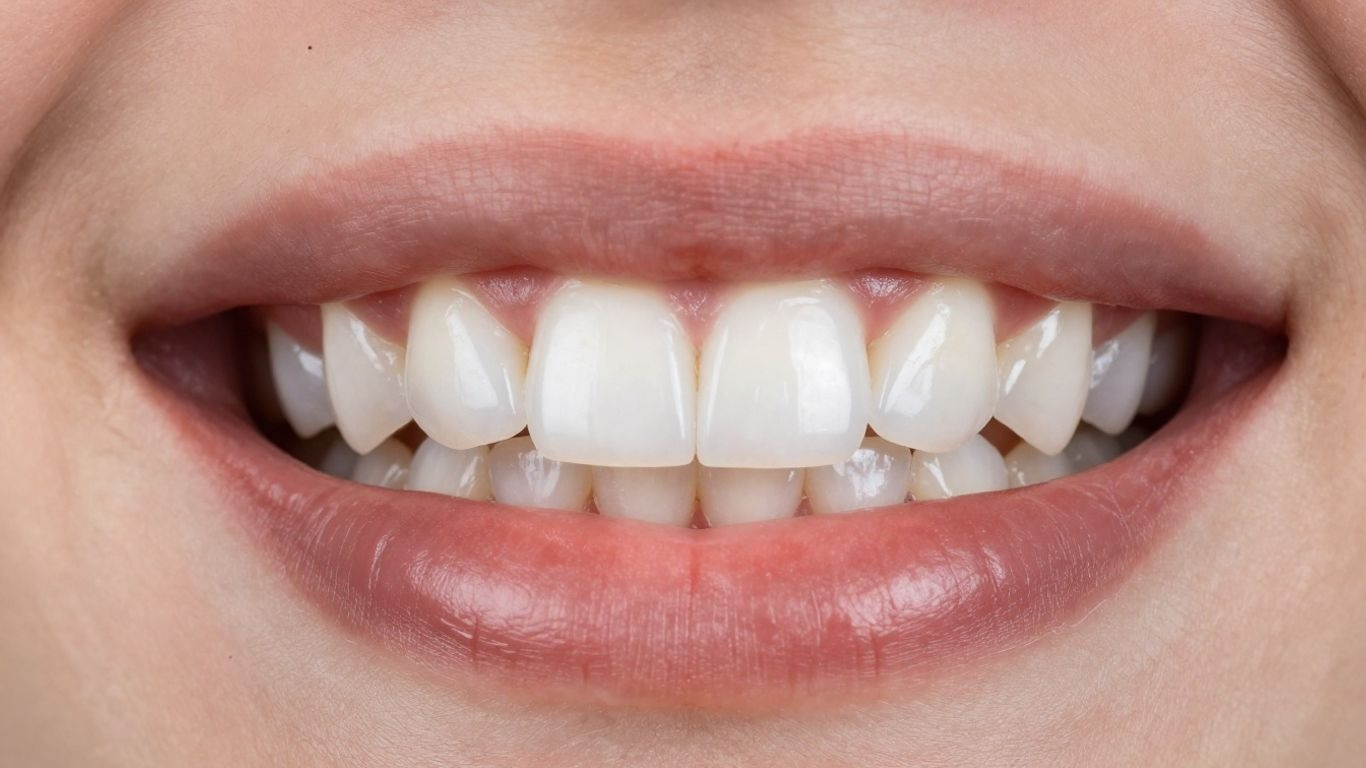
Thinking about changing your smile? You’ve probably come across two main options: veneers and composite bonding. Both can fix chips, gaps, or stains, but they aren’t exactly the same. Some folks just want a quick fix, while others are looking for something more lasting. There’s no one answer that fits everyone, so it helps to know what each treatment is all about before you take the plunge.
Things You Should Know
- Veneers and composite bonding both improve your smile, but they work differently and suit different needs.
- Composite bonding is a quick fix for small chips, gaps, or stains, and it’s usually done in one visit.
- Veneers last longer and are better for bigger changes, but they cost more and require removing a bit of your natural tooth.
- Bonding is more affordable upfront, but it may need touch-ups or replacements sooner than veneers.
- Choosing between veneers vs composite bonding comes down to your budget, how much change you want, and how long you want the results to last.
Veneers vs Composite Bonding: What's the Difference?
So, you're thinking about sprucing up your smile, huh? Two popular ways to do that are with veneers and composite bonding. They both aim to make your teeth look better, but they're actually pretty different. It's not really a case of composite bonding or veneers which is better, but rather which one is better for you.
Think of composite bonding as a quick fix. Your dentist uses a tooth-colored resin, kind of like a putty, and sticks it right onto your tooth. They shape it, smooth it out, and zap it with a light to make it hard. It's great for fixing small chips, closing tiny gaps, or covering up a little discoloration. The whole thing can usually be done in one visit, which is pretty sweet.
Veneers, on the other hand, are more like a custom-made mask for your teeth. These are thin shells, usually made of porcelain, that are created in a dental lab. They're designed to perfectly match the shape, size, and color you want for your smile. To put them on, a little bit of your natural tooth surface is usually removed to make room. This process takes a bit longer, typically needing at least two appointments.
Here's a quick rundown:
- Material: Bonding uses composite resin applied directly. Veneers are custom-made porcelain shells.
- Process: Bonding is done in-office, usually in one visit. Veneers are made in a lab and require at least two visits.
- Look: Bonding can look good, but veneers often give a more natural, flawless appearance.
- Durability: Bonding typically lasts 4-8 years. Veneers can last 10-15 years or even longer.
Basically, bonding is a faster, more budget-friendly option for minor tweaks, while veneers are a more significant investment for a more dramatic and long-lasting smile makeover. Choosing between veneers vs composite bonding really depends on what you're trying to achieve and how much time and money you want to put into it.
Teeth Bonding vs Veneers: Pros and Cons
So, you're thinking about sprucing up your smile, and you've heard about teeth bonding vs veneers. Both can make a big difference, but they're definitely not the same. Let's break down what's good and not-so-good about each.
Cosmetic bonding is like a quick fix using a tooth-colored resin that your dentist applies right onto the tooth. It's great for smaller issues.
Pros of Bonding:
- Speedy: Usually done in just one visit. Super convenient if you're busy!
- Gentle: It doesn't usually require removing much, if any, of your natural tooth enamel. That's a big plus.
- Budget-friendly: Generally costs less upfront compared to veneers.
- Looks natural: When done well, it blends in nicely with your other teeth.
Cons of Bonding:
- Not as tough: It can chip or break more easily than veneers.
- Stains: The resin can pick up stains over time from things like coffee, tea, or smoking.
- Lifespan: Typically lasts about 4 to 8 years before needing touch-ups or replacement.
Now, porcelain veneers are a bit different. These are thin, custom-made shells that cover the front of your teeth. They're crafted in a lab for a really precise fit and look.
Pros of Veneers:
- Super durable: They're made of porcelain, which is strong and can last 10 to 15 years or even longer.
- Stain-resistant: Porcelain doesn't stain easily, so your smile stays brighter.
- Dramatic results: They can completely change the look of your smile, fixing bigger issues like significant gaps or misshapen teeth.
- Custom-made: Designed specifically for you, so they look amazing.
Cons of Veneers:
- Higher cost: They're a bigger investment upfront.
- Permanent change: To get them to fit right, a small amount of enamel is usually removed, and you can't go back.
- Takes time: You'll likely need at least two appointments to get them done.
When you're weighing teeth bonding vs veneers, think about what you want to achieve. Bonding is awesome for quick fixes and minor tweaks, while veneers are the go-to for a more significant, long-lasting smile makeover. It really comes down to your specific needs and what you're hoping to get out of the treatment.
Dental Bonding vs Veneers Cost: Which Is More Affordable?
When you're thinking about sprucing up your smile, cost is usually a pretty big deal, right? It's totally normal to wonder about the dental bonding vs veneers cost. Let's break it down.
Basically, dental bonding is the more budget-friendly option. Think of it as a quick fix. It uses a tooth-colored resin that the dentist applies and shapes right there in the office. Usually, you can get it all done in one visit. Because it's a more direct process and doesn't involve a fancy lab, the price tag is lower. It's great for smaller issues like fixing a chipped tooth or closing a tiny gap.
Veneers, on the other hand, are a bigger investment. These are thin, custom-made shells, usually of porcelain, that are created in a dental lab. They're designed to perfectly match your natural teeth in terms of color and shape. Because they're made-to-order and use higher-quality materials, they cost more upfront. You'll also need at least two appointments: one to prep your teeth and take impressions, and another to actually attach the veneers.
How long do veneers last compared to composite bonding?
This is where the cost difference really starts to make sense over time. Bonding typically lasts anywhere from 3 to 7 years, sometimes a bit longer if you're super careful. It's more prone to chipping or staining, especially if you're a coffee or red wine drinker, or if you have habits like nail-biting.
Veneers, especially porcelain ones, are built to last. With good care, they can easily stick around for 10 to 15 years, or even longer. They're much more resistant to stains and chips, giving you a more durable, long-term solution for your smile.
So, while bonding is cheaper now, you might end up paying more down the line if you need touch-ups or replacements sooner. Veneers cost more at the start, but their longevity can make them a better value in the long run.
Here's a quick look at what you're generally paying for:
- Bonding: Direct application, single visit, less material cost, quicker results.
- Veneers: Lab-created, custom fit, higher-grade materials, multiple visits, longer-lasting results.
Choosing between bonding and veneers often comes down to your budget, how long you want the results to last, and the extent of the cosmetic work needed. If you're looking for a quick, affordable fix for a minor issue, bonding is probably your best bet. If you want a more dramatic, long-lasting transformation and are willing to invest more upfront, veneers might be the way to go.
Is composite bonding a good alternative to veneers?
For some people, absolutely! If you have minor imperfections like small chips, slight discoloration, or small gaps, composite bonding can be a fantastic alternative to veneers. It's much more affordable and can be done in a single appointment, which is super convenient. You get a noticeable improvement without the higher cost and multiple steps involved with veneers.
However, it's not a perfect swap for everyone. If you're looking for the most natural-looking, stain-resistant, and durable option, veneers usually take the cake. Bonding material can stain over time and is more likely to chip compared to porcelain veneers. So, while it's a great alternative for certain situations, it doesn't quite offer the same level of longevity or resilience as veneers.
Best Cosmetic Dentistry Options for Smile Improvement
So, you're thinking about sprucing up your smile? That's awesome! When it comes to cosmetic dentistry options for smile makeovers, there are a few popular choices, but two really stand out: dental bonding and veneers. Both can seriously transform how your teeth look, but they're not exactly the same. It really depends on what you're going for, your budget, and what's going on with your teeth.
Is composite bonding a good alternative to veneers?
Sometimes! Composite bonding is a super versatile treatment. It uses a tooth-colored resin that your dentist applies directly to your tooth. They shape it, smooth it out, and then harden it with a special light. It's pretty neat because it can fix little chips, close up small gaps, or cover up some discoloration. Think of it as a quick fix for minor imperfections. It's usually done in just one visit, which is a big plus if you're busy. Plus, it's generally more affordable than veneers, making it a great starting point for many people.
However, bonding isn't always the best choice for everything. If you're looking for a dramatic change, have really stained teeth that won't whiten, or need to fix bigger issues like significant gaps or misshapen teeth, veneers might be a better bet. Veneers are like custom-made shells that go over the front of your teeth. They're usually made of porcelain, which is really strong and resists stains like a champ. They can give you a totally new look, but they do require a bit more work, including removing some enamel, and usually take a couple of visits.
Here's a quick rundown to help you decide:
- Composite Bonding:
- Great for small chips, cracks, and minor gaps.
- Covers up surface stains and slight discoloration.
- Can improve the shape of individual teeth.
- Usually a one-visit procedure.
- More budget-friendly.
- Veneers:
- Ideal for more significant smile makeovers.
- Can cover severe staining or discoloration.
- Excellent for closing larger gaps or correcting misshapen teeth.
- Offer a very durable and long-lasting result.
- Typically require multiple appointments.
Ultimately, the 'best' option is the one that fits your specific needs and desires. Chatting with your dentist is key to figuring out if bonding is enough for your smile goals or if veneers would give you the results you're dreaming of. They can look at your teeth and talk you through all the pros and cons for your unique situation.
So, Which One Wins?
Alright, so we've talked about bonding and veneers. Both are pretty cool ways to make your smile look better, but they're definitely not the same. Bonding is usually quicker, cheaper, and good for fixing small stuff like chips or little gaps. It’s like a quick touch-up. Veneers, on the other hand, are more of a big project. They cost more and take more time, but they can totally change your smile and tend to last a lot longer. Think of them as a full makeover. The best choice really depends on what you need, how much you want to spend, and what you're hoping to achieve. Chatting with your dentist is the best way to figure out which one is your smile's perfect match.
Frequently Asked Questions
What is the main difference between veneers and composite bonding?
Think of it like this: composite bonding is like a quick touch-up using a special tooth-colored putty to fix small chips, close tiny gaps, or cover up stains. Veneers are like custom-made shells that cover the entire front of your tooth, giving it a whole new look. Veneers are usually for bigger changes, while bonding is for smaller fixes.
How long do veneers last compared to composite bonding?
Veneers are generally built to last much longer. They can stick around for 10 to 15 years, or even more, if you take good care of them. Composite bonding, on the other hand, usually lasts about 4 to 8 years. It's a bit like comparing a sturdy, long-term fix to a good, but shorter-term solution.
Is composite bonding a good alternative to veneers?
Yes, composite bonding can be a great alternative if you're looking for a less expensive option or only need to fix small issues. It's faster and less invasive than veneers. However, if you want a more dramatic transformation or need to fix significant problems, veneers might be a better choice for a more permanent and polished result.
Which option is better for fixing stains?
For serious stains that don't come off with regular cleaning, veneers are often the better choice. Because they're made of porcelain, they resist staining really well and can cover up discoloration completely. Bonding can help with lighter stains, but very dark ones might still show through over time.
Does the bonding or veneer procedure hurt?
Neither procedure should be painful. Bonding is usually very quick and doesn't require numbing. For veneers, a small amount of tooth enamel is removed, so your dentist might use a local anesthetic to make sure you're comfortable. Both are designed to be as comfortable as possible.
Which option is more affordable?
Generally, composite bonding is more affordable than veneers. The procedure is quicker, uses less material, and doesn't require a dental lab to create custom shells. Veneers involve more complex work and lab fees, making them a bigger investment upfront.
Blog Post Author

Contributed by DentalROI
DentalROI provides relevant dental content to help providers educate patients. The statements, services, and products referenced in this article have not been evaluated by the Food and Drug Administration, and they are not intended as a substitute for professional medical advice, diagnosis, or treatment. Always seek the advice of your dental provider with any questions or issues you may have. Specific recommendations may vary in different circumstances, so individual consultation is important.