Losing a Tooth & Modern Solutions
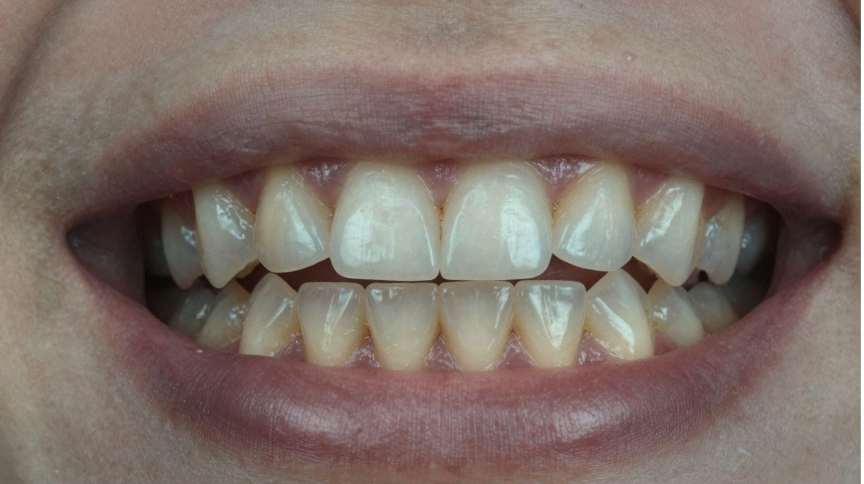
Losing a tooth can be a bummer, right? It affects how you eat, how you talk, and how you feel about your smile. For a long time, dental implants have been a great way to replace missing teeth and restore confidence.
Today, a newer option called screwless dental implants is gaining popularity. Below is a simple breakdown of what they are, how they work, and why many people choose them.
Key Takeaways
- Screwless dental implants use dental cement or a friction-fit design instead of visible screws.
- The process includes placing a titanium post, attaching an abutment, and securing the crown without a screw.
- They offer better aesthetics, especially for front teeth.
- They reduce problems related to screw loosening.
- With proper care, they can last over ten years.
A Modern Solution for Tooth Replacement
Missing teeth can affect eating, speaking, and self-confidence. Traditional options like bridges and dentures work but have limitations.
Dental implants act like artificial tooth roots placed in the jawbone, providing a strong and natural-feeling replacement. Unlike dentures, implants do not slip, and unlike bridges, they do not rely on nearby teeth.
This approach restores both function and appearance while helping maintain jawbone health.
What Are Screwless Dental Implants?
Screwless dental implants are also known as cement-retained implants. Instead of using a small screw to attach the crown, dental cement or a friction-fit connection is used.
This method eliminates the visible screw hole, resulting in a cleaner and more natural-looking tooth.
- No visible screw access hole
- Crown is cemented or friction-fitted
- Improved aesthetics, especially for front teeth
How Screwless Dental Implants Work
After the implant post heals inside the jawbone, an abutment is attached. The crown is then secured using one of the following methods:
- Cement-retained: Dental-grade adhesive bonds the crown to the abutment.
- Friction-fit: Precision-engineered parts lock together tightly without glue or screws.
- One-piece implants: Implant and abutment are a single unit, reducing weak points.
The goal is a stable, natural-looking tooth without visible hardware.
Benefits Patients Appreciate
Patients often choose screwless implants for their comfort, stability, and appearance.
- Natural look with no screw holes
- Reduced risk of mechanical issues
- Comfortable fit for eating and speaking
- Long-lasting results with proper care
Regular brushing, flossing, and dental check-ups help ensure long-term success.
Screwless vs Traditional Dental Implants
Traditional implants use a screw to secure the crown, while screwless implants rely on cement or friction-fit connections.
- Screwless implants offer better aesthetics
- Traditional implants are easier to remove for repairs
- Both options can last many years with good care
- Choice depends on bite force, location, and dentist recommendation
Final Thoughts
Screwless dental implants are a modern, effective option for replacing missing teeth. They provide a natural appearance, strong stability, and long-term comfort.
Discussing your needs with a qualified dentist will help determine whether screwless or traditional implants are the best option for your smile. Book your appointment with Drogata today to explore modern tooth replacement solutions and restore your smile with confidence.
Frequently Asked Questions
What are screwless dental implants?
They are dental implants that secure the crown without a visible screw, using cement or a friction-fit system.
How do they stay in place?
They are held using dental cement or precision-engineered friction-fit connections.
Are they strong and durable?
Yes, when properly placed, they are just as strong as traditional implants and can last many years.
What are the main benefits?
They offer better aesthetics, comfort, and reduced mechanical issues.
Can they be removed?
Yes, but removal requires professional tools and expertise.
Are there any drawbacks?
Cement residue may irritate gums if not cleaned properly, and removal can be more complex than screw-retained implants.
Blog Post Author

Contributed by DentalROI
DentalROI provides relevant dental content to help providers educate patients. The statements, services, and products referenced in this article have not been evaluated by the Food and Drug Administration, and they are not intended as a substitute for professional medical advice, diagnosis, or treatment. Always seek the advice of your dental provider with any questions or issues you may have. Specific recommendations may vary in different circumstances, so individual consultation is important.