Laser Gum Treatment vs. Traditional Gum Surgery
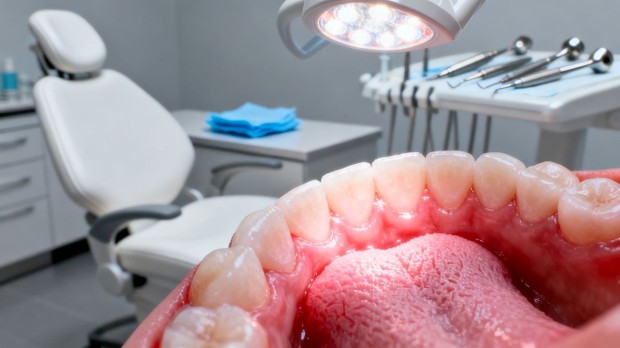
Dental health plays a significant role in your overall wellbeing, and addressing gum disease early is vital. Patients frequently compare modern laser techniques against more traditional surgical interventions to determine the best path for their gums. Here's how the team at Smile Hawaii in Kahului, which offers laser-assisted periodontal therapy (LAPT), helps patients weigh the options.
What Are the Benefits of Laser-Assisted Periodontal Therapy?
Precision often distinguishes laser therapy from other approaches, allowing for the targeted removal of diseased tissue without disturbing as much healthy gum material. This accuracy helps manage infections while supporting better immediate results. Consider how these common modalities differ in their operational approach:
| Feature | Traditional Surgery | Laser Treatment |
|---|---|---|
| Tissue Removal | Physical scaling/cutting | Light-based vaporization |
| Discomfort | Often higher | Typically lower |
| Recovery Time | Longer duration | Faster healing process |
These differences help clinicians determine which approach aligns with a patient's unique health profile. Because the laser targets inflammation while minimizing impact, many individuals prefer it for its combination of effectiveness and relative gentleness on surrounding structures.
Is Laser Gum Treatment Painful Compared to Traditional Surgery?
Many patients worry about the physical sensation associated with gum procedures, yet modern methods have significantly altered this experience. Discomfort is managed effectively with local anesthesia, ensuring that the necessary work can be completed without excessive stress. While sensations vary from one person to another, minimally invasive laser approaches generally reduce overall trauma to the mouth.
Laser Gum Surgery Recovery Time vs. Traditional Recovery
Recovery from surgery often dictates how quickly a patient can return to their normal lifestyle and dietary habits. While every individual heals at a different pace, the reduced invasiveness of laser treatment often leads to certain advantages in the days following the visit:
- Decreased reliance on heavy pain medication during recovery.
- Ability to eat a firmer diet much sooner than traditional methods.
- Significantly less bleeding or swelling experienced post-procedure.
- Improved comfort during daily oral hygiene routines.
Healing happens faster when there is less tissue disruption throughout the process. Patients who prioritize a smoother recovery often find that they can keep their gums healthy with minimal interruption to their work or social schedules.
How Your Dentist Decides Which Treatment Fits Your Case
Your dentist looks at specific clinical metrics like pocket depth and the presence of underlying bone loss before suggesting a treatment. According to the American Academy of Periodontology, a thorough periodontal evaluation, including X-rays and pocket measurements, is the foundation for choosing the right intervention. Once the data is consolidated, Dr. Ogata and Dr. Kim review all options based on your specific dental anatomy and medical history.
What to Expect During a Laser Gum Treatment Appointment
Preparation for a laser session usually involves a simple review of your health history followed by local numbing of the affected area. The practitioner then directs the laser energy to sterilize the pockets and clear away diseased tissue. The entire process is designed to be streamlined, often allowing you to leave the office feeling relatively comfortable despite the significant work completed on your delicate oral tissues.
Long-Term Results: Laser vs. Traditional Gum Surgery
Achieving long-term success with any dental procedure requires a commitment to consistent oral hygiene at home. Surgery serves as an important reset, but the stability of your gums depends on your daily habits and periodic professional cleanings. Patients who maintain these standards often see stable, healthy gum attachment for many years regardless of the specific surgical method initially employed.
Cost Considerations for Each Treatment Option
Financial planning for gum treatment involves looking at the complexity of your specific case. Laser treatments can sometimes carry different insurance coverage rules compared to traditional surgery, so checking with your provider ahead of time can clarify your out-of-pocket exposure. Our office also offers payment plans with 0% APR financing options to help make treatment manageable, and we're happy to discuss the exact financial aspects during your consultation.
Conclusion
Deciding between laser-based approaches and traditional surgery is a personal journey guided by your dentist's expert evaluation. By weighing the benefits of faster recovery and precision against your individual financial and clinical needs, you can move forward with confidence to restore your gum health. Prioritizing early intervention remains the most effective strategy for lasting wellness; request an appointment at our Kahului office to have your gums evaluated.
Frequently Asked Questions
Is laser gum surgery considered safe for most patients?
Yes, dental professionals use established safety protocols when performing laser therapies, and these procedures are widely regarded as safe for patients who are good candidates for surgical gum treatment.
Does insurance usually cover the cost of laser gum surgery?
Coverage varies widely depending on your specific insurance carrier and plan, so checking your benefits package before the appointment is the best way to determine your potential costs.
How many visits are typically required for treatment?
The number of visits depends entirely on the extent of the gum disease, with some cases treated in one or two sessions and others requiring a more phased approach over several weeks.
Can laser surgery treat advanced periodontal disease?
Lasers are effective at managing various stages of periodontitis, although your dentist will evaluate your specific bone and tissue loss to determine if it's the right intervention.
How soon can I return to work after treatment?
Many individuals find they can return to their daily routines shortly after the procedure, though your dentist may provide specific post-care guidance based on your healing.
About the Author
The team at Smile Hawaii in Kahului, Maui is led by Dr. Lance D. Ogata, DDS, who has practiced patient-centered dentistry for over three decades, and Dr. Peter Kim, DDS. Recognized in Honolulu Magazine's 2023 Best Dentists list, our practice offers advanced treatments including laser-assisted periodontal therapy, combining modern technology with a commitment to patient education and comfort.
Medical Disclaimer
The information provided in this article is for educational purposes only and does not constitute professional medical, dental, or orthodontic advice, diagnosis, or treatment. Always seek the advice of your dentist or other qualified health provider with any questions you may have regarding a medical condition or treatment. Never disregard professional medical advice or delay in seeking it because of something you have read here.
Blog Post Author

Contributed by DentalROI
DentalROI provides relevant dental content to help providers educate patients. The statements, services, and products referenced in this article have not been evaluated by the Food and Drug Administration, and they are not intended as a substitute for professional medical advice, diagnosis, or treatment. Always seek the advice of your dental provider with any questions or issues you may have. Specific recommendations may vary in different circumstances, so individual consultation is important.