How to Prevent Cavities as an Adult
Understand Why Adults Get Cavities
Cavities are not only a childhood problem. Adult teeth face repeated exposure to plaque, sugar, acids, dry mouth, and physical wear, so risk can change over time even when brushing habits seem steady. Learning how the decay process works makes prevention feel less like guesswork and more like a few manageable daily choices, and it's a topic worth raising at your next appointment.
How Plaque Turns Into Tooth Decay
Plaque is a sticky film of bacteria that collects on teeth and along the gumline. When those bacteria encounter sugars and starches, they produce acids that pull minerals from enamel. Saliva and fluoride can help replace some of those minerals, but frequent acid attacks may eventually create a weak spot that develops into a cavity.
The process is gradual, which is why a tooth may feel normal while damage is beginning. Brushing removes plaque, while fluoride supports enamel during the periods between cleanings. Reducing how often teeth are exposed to fermentable carbohydrates also gives saliva more time to restore the tooth surface.
Why Cavities Can Develop Around Fillings and Crowns
Dental work does not make a tooth immune to decay. The edge where a filling, crown, or other restoration meets natural tooth structure can collect plaque, particularly if the area is difficult to reach with a toothbrush. A restoration may also wear or develop a small gap over time, allowing bacteria to remain near the margin.
Careful cleaning around these areas matters, but it is not a reason to scrub aggressively. Ask a dental professional to check a restoration if floss repeatedly catches, a margin feels rough, or food keeps lodging in the same place. Early attention can sometimes prevent a small problem from becoming a larger repair.
How Age, Gum Recession, and Enamel Wear Increase Risk
Gums may gradually recede with age, gum disease, brushing too forcefully, or other causes. This can expose root surfaces, which are softer than enamel and more vulnerable to decay. Enamel can also become thinner or develop cracks from grinding, acidic exposures, or years of normal use.
These changes often make prevention more personalized. A brush that feels comfortable on healthy gums may be too abrasive for exposed roots, and a person with reduced saliva may need extra fluoride protection. Your dentist can help identify which surfaces deserve the most attention.
Common Reasons Cavities Happen Despite Brushing
Brushing is essential, but it does not clean every surface equally. Cavities can form between teeth, in deep grooves, around dental work, or near the gumline. Timing and technique matter too: brushing quickly, missing the back teeth, rinsing away fluoride immediately, or grazing on snacks throughout the day can leave teeth exposed.
Other contributors include dry mouth, frequent acidic drinks, medications, and untreated grinding. Small habits add up in both directions, so a useful review looks at the whole routine rather than blaming one missed brushing session.
Build a Cavity-Fighting Daily Routine
A reliable routine should be simple enough to repeat when you are busy. The goal is not to clean harder; it is to clean all tooth surfaces gently and consistently while keeping fluoride in contact with enamel. A few minutes in the morning and evening, plus daily cleaning between teeth, can address many common gaps.
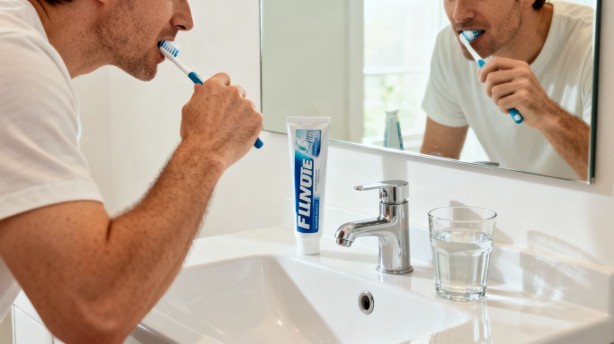
Brush twice a day with fluoride toothpaste. Brush in the morning and before bed with fluoride toothpaste. Spend about two minutes moving across the outer, inner, and chewing surfaces of every tooth, giving extra attention to the gumline and the back teeth. After brushing, spit out the excess toothpaste rather than immediately washing it away with a large amount of water, since this leaves more fluoride available on the tooth surface.
Use the right brushing technique and toothbrush. A soft-bristled brush and gentle pressure are usually enough to remove plaque. Hold the brush at a slight angle toward the gumline and use small, controlled movements instead of sawing back and forth. Replace the brush or brush head when the bristles become worn, bent, or visibly damaged. If your gums bleed regularly, do not simply stop cleaning; arrange an evaluation, since persistent bleeding can signal inflammation or gum disease.
Clean between your teeth every day. A toothbrush cannot reliably reach the tight spaces between teeth. Floss, interdental brushes, or another device recommended by a dental professional can remove plaque and trapped food from those areas. Curve floss around each tooth rather than snapping it into the gums, and move to a fresh section as it becomes soiled. Repeated bleeding, tenderness, or a spot where the device will not pass normally deserves professional advice rather than more force.
Rinse strategically without replacing brushing. A mouth rinse may be useful for certain people, but it is not a substitute for brushing and cleaning between teeth. If you use a fluoride rinse, follow its directions and avoid eating or drinking immediately afterward if instructed. Do not use a rinse to compensate for frequent sugar exposure or skipped brushing.
Use Fluoride to Strengthen Your Teeth
Fluoride supports the balance between mineral loss and mineral repair at the tooth surface. It is most useful as part of a consistent routine, not as a one-time fix after a cavity has formed. Acid attacks can remove minerals from enamel before a true cavity develops, and fluoride helps enamel resist future acid exposure and supports the repair of early mineral loss.
Adults generally need only a modest amount of fluoride toothpaste on the brush; covering the bristles with a large mound does not provide extra protection. People with sensitive teeth, exposed roots, frequent decay, or dry mouth may benefit from a particular formulation, and some adults with a higher risk of decay may be candidates for a prescription-strength fluoride product recommended by their dentist. In-office fluoride treatments and dental sealants can also provide extra protection for people whose enamel, grooves, or root surfaces need additional support — a topic worth discussing during your dental exam.
Make Eating and Drinking Habits More Tooth-Friendly
Cavity prevention is shaped by frequency as much as by quantity. Every sugary or starchy exposure gives plaque bacteria another opportunity to produce acid, especially when food or drinks are sipped over a long period. You do not need a perfect diet; you need fewer repeated acid-producing moments.
Candy, sweetened foods, bread, crackers, and many processed snacks can contribute to decay when they remain available to plaque bacteria. Eating them with a meal is often less challenging for teeth than nibbling repeatedly from morning to night. Plain nuts, cheese, vegetables, and unsweetened yogurt may be practical snack choices, while sticky dried fruit and frequent crackers may stay on teeth longer than expected.
Soda, juice, energy drinks, sports drinks, and sweetened coffee can combine sugar with frequent sipping. Water is the simplest everyday replacement, especially between meals. Acidic foods and beverages can temporarily soften enamel, so rinse with water and wait before brushing rather than brushing immediately afterward.
Manage Dry Mouth and Other Hidden Risk Factors
Some cavity risks are easy to miss because they do not look like poor hygiene. Saliva protects teeth by helping clear food and supplying minerals, so a persistently dry mouth can change the balance quickly. With less saliva, food and acids remain in the mouth longer and enamel receives less natural mineral support.
A sticky feeling, cracked lips, mouth sores, or trouble wearing dental appliances can be clues.
Many medications can contribute to dry mouth, including some used for allergies, mood, blood pressure, pain, and sleep. Never stop a prescribed medicine on your own, but do tell the prescriber and dentist about troublesome dryness.
Sip water regularly, and sugar-free gum or lozenges may stimulate saliva for some people. Smoking, vaping, and alcohol can also contribute to dryness and irritation, so reducing or stopping these habits supports oral health along with daily plaque control.
Keep Up With Preventive Dental Care
Home care cannot show you what is happening beneath a filling, between teeth, or in an area you cannot see. Dental visits add examination, risk assessment, professional cleaning, and treatment when needed. The ideal schedule is based on your history rather than a single rule that applies to every adult — the interval may be shorter with active decay, gum disease, dry mouth, or extensive dental work.
A cavity screening usually includes questions about symptoms, diet, medications, dry mouth, and previous treatment, along with an examination of teeth, gumlines, restorations, and areas where plaque tends to collect. X-rays can help identify decay between teeth or changes that are not visible during a regular exam, though they are not needed at every visit for every person. Even careful brushing can leave hardened deposits that only a professional cleaning can remove, so a cleaning is best thought of as a reset and assessment rather than a replacement for daily habits. Our FAQs page covers more about what to expect from routine visits.
Recognize Early Problems and Know When to Act
Prevention includes noticing changes before they become urgent. Early enamel changes may appear as white, chalky, or brown areas, though some decay is not visible at all. A rough spot, food repeatedly catching in one area, or new sensitivity to cold or sweets can also signal a problem — pain is not required for a cavity to be present.
Brief sensitivity can follow exposed roots, enamel wear, whitening, a crack, gum inflammation, or decay. If it lasts, worsens, affects one tooth, or occurs without an obvious trigger, schedule an evaluation. Very early mineral loss may sometimes be arrested or improved with fluoride, better plaque control, and changes in eating frequency, but once a cavity has formed a hole in the tooth, home care cannot rebuild the missing structure. If you suspect you already have a cavity, schedule a dental appointment rather than waiting for pain, and tell the office about swelling, fever, severe pain, or a broken tooth.
Conclusion
Preventing cavities as an adult is less about finding one perfect product and more about repeating several ordinary actions: brush twice daily with fluoride toothpaste, clean between your teeth, limit frequent sugar and acid exposure, address dry mouth, and keep up with dental care.
Notice changes early and ask for personalized advice when your risk shifts. Our restorative and cosmetic services can also help repair and protect teeth that need extra care. A steady routine can protect your teeth even as your needs change.
Frequently Asked Questions
How often should an adult brush to help prevent cavities?
Brush twice a day with fluoride toothpaste, including once before bed. Use gentle pressure and spend enough time reaching the outer, inner, chewing, and gumline surfaces.
Is flossing necessary if I brush carefully?
Yes. Brushing does not reliably clean the spaces between teeth, so use floss or an interdental cleaner once a day to remove plaque from those areas.
Can adults get cavities even if they do not eat candy?
Yes. Starchy foods, sweetened drinks, frequent snacking, dry mouth, exposed roots, plaque buildup, and worn dental work can all contribute to decay.
Does mouthwash prevent cavities by itself?
No. A rinse may support a routine in some situations, especially when it contains fluoride, but it cannot replace brushing, cleaning between teeth, or professional care.
Can a cavity heal without a filling?
Very early mineral loss may sometimes be arrested or improved, but a formed cavity cannot be rebuilt through home care. A dental examination can determine the appropriate treatment.
What is the best drink for teeth between meals?
Plain water is generally the simplest choice between meals because it does not add sugar or acid. Frequent sipping of sweetened or acidic drinks increases exposure.
When should tooth sensitivity be checked?
Arrange a dental evaluation when sensitivity is persistent, worsening, limited to one tooth, spontaneous, or slow to fade after hot or cold exposure. These patterns can have several causes, including decay.
According to the American Dental Association's MouthHealthy resource on cavities, brushing twice daily with fluoride toothpaste, cleaning between teeth, eating balanced meals, and visiting the dentist regularly are among the most effective ways to prevent decay.
About the Author
Lance D. Ogata, DDS, Inc. (dba Smile Hawaii) is located at 140 Hoohana St. Suite 301, Kahului, Maui, HI 96732. The practice is led by Dr. Lance Ogata, DDS, a member of the American Dental Association, Academy of General Dentistry, and Hawaii Dental Association and Past President of the Maui County Dental Society, alongside Dr. Peter Kim, DDS, providing comprehensive family and cosmetic dental care to patients throughout Kahului and Maui.
Disclaimer
The information provided in this article is for educational purposes only and does not constitute professional dental advice, diagnosis, or treatment recommendations. Individual cavity risk varies and can only be assessed through an in-person evaluation. Always consult your dentist with any questions regarding your treatment.
Blog Post Author

Contributed by DentalROI
DentalROI provides relevant dental content to help providers educate patients. The statements, services, and products referenced in this article have not been evaluated by the Food and Drug Administration, and they are not intended as a substitute for professional medical advice, diagnosis, or treatment. Always seek the advice of your dental provider with any questions or issues you may have. Specific recommendations may vary in different circumstances, so individual consultation is important.