How Often Do You Really Need Dental X-Rays?
The Short Answer: It Depends on Your Oral Health
There is no universal calendar for dental X-rays. How often you need dental X-rays depends on your age, symptoms, dental history, and the findings from your last examination. X-rays are one part of diagnosis, not a substitute for talking with your dentist or having your teeth and gums examined. The goal is to take images when they can answer a useful clinical question.
Why There Is No One-Size-Fits-All Schedule
People develop cavities and gum disease at different rates, and some problems remain hidden until they are fairly advanced. Someone with repeated decay may need closer imaging than someone whose teeth and gums have been stable for years. A dentist may also adjust the timing when a previous image shows an area worth monitoring.
That means a recommendation should be connected to your circumstances rather than simply to the date on the calendar. A long gap is not automatically careless, and a shorter interval is not automatically excessive.
How Routine Checkups Differ From X-Ray Appointments
A routine dental checkup usually involves a visual examination, a review of symptoms, and an assessment of your teeth, gums, bite, and existing dental work. An X-ray appointment adds images that can reveal areas a dentist cannot see directly, such as spaces between teeth, tooth roots, or bone around the teeth.
You may have a checkup without needing new images.
Your dentist may review existing X-rays and decide they still provide enough information. In other cases, an examination may raise a specific question that an image can help answer.
When Your Dentist May Recommend X-Rays More Often
New pain, swelling, a suspected cavity, bleeding gums, or a change around a filling can make imaging more useful sooner. The same may be true if you have a history of extensive treatment or are being monitored for a known concern. Symptoms can change the schedule even when your last X-rays were fairly recent.
A closer interval does not necessarily mean something serious has been found. Often, it means the dentist wants a clearer picture before deciding whether treatment is needed.
Why Healthy Adults May Need Them Less Frequently
Adults with good oral health and a low risk of decay may not need images at every visit. If examinations remain reassuring and there are no new symptoms, the dentist may recommend waiting longer. This approach limits repeat exposure while preserving the value of imaging when it is actually needed. Your personal history still matters, so a new symptom or change in risk can alter the recommendation.
What Determines How Often You Need Dental X-Rays
Several details shape the answer, and they often overlap. Age affects tooth development, while past cavities and dental treatment can affect future risk. Current symptoms may matter more than a routine interval, particularly when an issue cannot be evaluated fully by looking alone.
Children and teenagers are still developing permanent teeth, roots, and jaws, so images may help assess tooth eruption, crowding, or missing teeth. Adults may need a different pattern because their images are more often connected to decay, gum health, symptoms, or treatment planning.
A history of frequent cavities can increase the value of monitoring areas where decay tends to recur, and gum disease may require images to assess supporting bone. New or altered dental work, including implants, crowns, or braces, can also create a reason to document the surrounding tooth and bone.
Common Types of Dental X-Rays and When They Are Used
Dental X-rays are not all interchangeable. The image selected depends on the area of concern and the kind of information the dentist needs. A small image may be enough for a cavity between two teeth, while a broader or three-dimensional view may be more appropriate for treatment planning.
Bitewing X-rays capture the crowns of upper and lower teeth in one area of the mouth and are commonly used to look for decay between teeth and examine supporting bone. Periapical X-rays show an entire tooth, including the crown, root, and nearby bone, and may be useful when a patient has pain, swelling, or an injury.
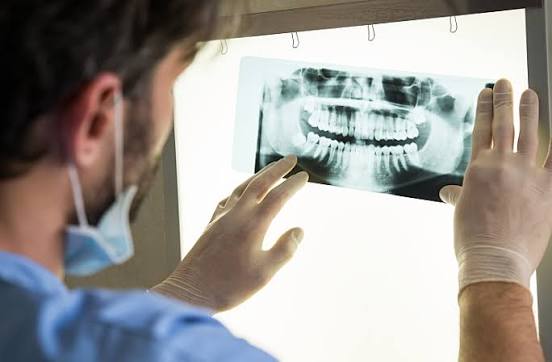
Panoramic X-rays create a broad view of the teeth, jaws, and surrounding structures, useful for developing teeth, impacted teeth, or jaw conditions. 3D dental imaging can provide layered views when ordinary two-dimensional images do not answer a treatment-planning question, such as for complex procedures, CEREC restorations, or implant planning.
How Often Different Patients May Need X-Rays
There is no single interval that fits every patient group. A dentist considers risk, age, symptoms, previous images, and the quality of the current examination. Adults with stable examinations, few or no recent cavities, and no concerning symptoms may go longer between routine images, while an adult with recurring cavities or gum concerns may need closer or more targeted monitoring, and new symptoms call for prompt focused imaging.
Younger patients may need images to follow the development and eruption of permanent teeth, and their schedule can change as their teeth and habits change. A new dental office may also recommend a fuller set of images to establish a baseline when previous records are not available — providing recent records from another dentist can help prevent unnecessary duplication.
Are Dental X-Rays Safe?
Dental X-rays use a small amount of radiation, and dentists are expected to order them when the information can benefit diagnosis or treatment. According to the American Dental Association's MouthHealthy resource on X-rays, how often X-rays should be taken depends on your present oral health, age, risk for disease, and any signs or symptoms of oral disease, and X-rays should be taken only when your dentist believes they will provide necessary diagnostic information.
The amount of radiation varies with the type of image and the equipment used. Digital systems can allow images to be captured and viewed quickly, and depending on the equipment, digital imaging may also use less radiation than older film methods. Dental professionals also limit the field to the area that needs evaluation and follow applicable safety procedures.
Tell your dentist if you are pregnant, think you may be pregnant, or are trying to conceive. The dental team can decide whether imaging is needed now, whether it can wait, and what precautions are appropriate.
How to Decide Whether You Need Another Dental X-Ray
You do not have to decide alone, and you can ask for a plain explanation before imaging begins. A useful conversation covers what the dentist is looking for, whether your symptoms change the decision, and whether earlier images are available. Useful questions include: What area are you checking? What could the image show that the examination cannot? Could my recent X-rays be used instead? Will the result change what we do next?
Earlier images provide a reference point and may already answer the question at hand, which is particularly useful when you have moved offices or changed dentists. Pain, facial swelling, fever, a broken tooth, or a recent injury deserves prompt dental advice, since an X-ray may help locate an infection, root problem, or fracture that is not visible from the surface. If you have questions, our FAQs page covers many common concerns about dental imaging and treatment.
Conclusion
Dental X-ray timing is personal rather than automatic. Your age, dental history, symptoms, treatment, and previous images all help determine when new imaging is worthwhile. Schedule an appointment with our Kahului office to discuss what imaging schedule fits your needs, and share your records and speak up about pregnancy or new symptoms so the recommendation can fit your actual needs.
Frequently Asked Questions
How often do most adults need dental X-rays?
There is no standard interval for every adult. People with low risk and stable examinations may go longer, while those with recurring decay, gum concerns, or symptoms may need images more often.
Do I need dental X-rays at every checkup?
No. A routine examination and cleaning do not automatically require new X-rays. Imaging is generally considered when it can provide information that the clinical examination cannot.
Can I refuse a dental X-ray?
You can ask questions and discuss alternatives with your dentist. Refusing an image may limit the dentist's ability to diagnose certain problems, so ask what information would be missed and whether previous images can be reviewed.
Are dental X-rays safe during pregnancy?
Tell your dentist about a confirmed or possible pregnancy. The dental team can decide whether imaging can wait or whether it is needed now, then discuss appropriate precautions.
Why might a child need dental X-rays more often?
Children's teeth and jaws are developing, and images may be used to follow permanent tooth eruption, crowding, or decay risk. The timing depends on development and the findings at each visit.
Should I bring old dental X-rays to a new dentist?
Yes, recent images may help the new dentist avoid unnecessary duplication and compare changes over time. They may still recommend new images if the old ones are unavailable, outdated, or not suited to the current concern.
What should I do if I have tooth pain but had X-rays recently?
Contact your dentist and describe the pain, swelling, injury, or other change. A recent image may not show a new problem or may not cover the affected area, so the dentist can decide whether another evaluation is needed.
About the Author
Lance D. Ogata, DDS, Inc. (dba Smile Hawaii) is located at 140 Hoohana St. Suite 301, Kahului, Maui, HI 96732. The practice is led by Dr. Lance Ogata, DDS, a member of the American Dental Association, Academy of General Dentistry, and Hawaii Dental Association and Past President of the Maui County Dental Society, alongside Dr. Peter Kim, DDS, providing comprehensive family and cosmetic dental care to patients throughout Kahului and Maui.
Disclaimer
The information provided in this article is for educational purposes only and does not constitute professional dental advice, diagnosis, or treatment recommendations. How often you need dental X-rays can only be determined through an in-person evaluation. Always consult your dentist with any questions regarding your treatment.
Blog Post Author

Contributed by DentalROI
DentalROI provides relevant dental content to help providers educate patients. The statements, services, and products referenced in this article have not been evaluated by the Food and Drug Administration, and they are not intended as a substitute for professional medical advice, diagnosis, or treatment. Always seek the advice of your dental provider with any questions or issues you may have. Specific recommendations may vary in different circumstances, so individual consultation is important.