How Long Does Professional Teeth Whitening Last?
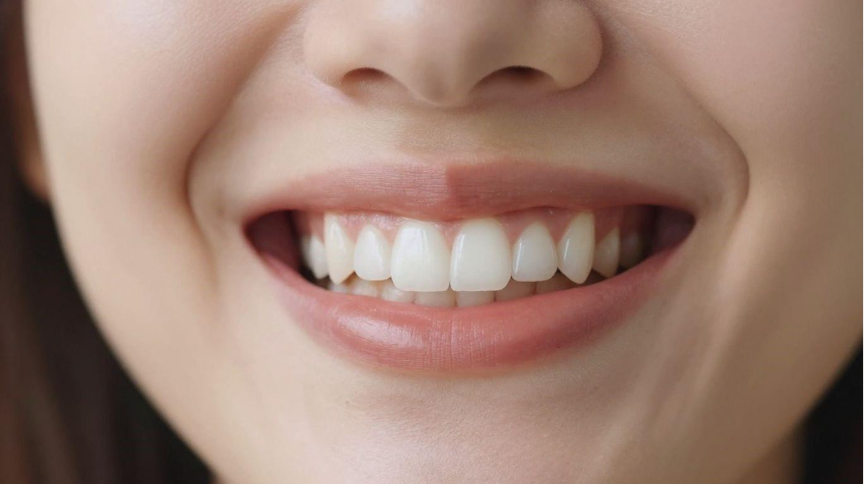
Getting your teeth professionally whitened can really boost your confidence with a brighter smile. But a common question that comes up is just how long those results stick around. It’s not a one-size-fits-all answer, as several things can influence the longevity of your newly whitened teeth. This article aims to shed some light on what you can expect regarding how long does professional teeth whitening last, and what factors play a role.
Key Takeaways
- The effects of professional teeth whitening typically last anywhere from six months to two years. This duration can vary greatly depending on individual habits and lifestyle choices.
- Factors like diet (consuming staining foods and drinks), smoking, and oral hygiene practices significantly impact how long professionally whitened teeth last.
- Maintaining good oral hygiene, including regular brushing and flossing, is crucial for prolonging the results of teeth whitening.
- While sensitivity after professional whitening is common, it usually subsides within a few days. Patients prone to sensitivity should discuss this with their dentist beforehand.
- To help your teeth whitening last longer, consider limiting intake of coffee, red wine, and other staining substances, and avoid smoking.
What Professional Teeth Whitening Does
Professional teeth whitening is a cosmetic dental procedure designed to lighten the shade of your teeth and remove stains or discoloration. It's a way to achieve a brighter, more radiant smile. Unlike over-the-counter products, professional treatments use stronger bleaching agents that can tackle deeper stains caused by things like coffee, tea, red wine, or simply the natural aging process.
The process typically involves a dentist applying a high-concentration whitening gel directly to your teeth. Before this, your gums are usually protected with a special sealant. Some treatments might also use a special light or laser to help activate the gel and speed up the whitening. The whole appointment is generally quite efficient, often taking about 60 to 90 minutes.
Here's a general idea of how it works:
- Initial Cleaning: Your teeth are cleaned to remove any surface plaque or tartar.
- Gum Protection: A barrier is placed over your gums to shield them from the whitening agent.
- Gel Application: The professional-strength whitening gel is applied to the tooth surfaces.
- Activation (Optional): Light or laser may be used to enhance the gel's effectiveness.
- Rinsing and Evaluation: The gel is removed, and the results are checked.
This method is tailored to your specific teeth, aiming for even whitening and minimizing sensitivity. It's a way to get noticeable results quickly and safely, often seeing a difference right away. If you're looking to significantly brighten your smile, professional whitening is a reliable option to consider for a more radiant smile.
Professional treatments are designed to penetrate discoloration more effectively than at-home kits, offering a more uniform and reliable outcome. This tailored approach helps ensure the best possible results for your unique smile.
How Long Professional Teeth Whitening Typically Lasts
So, you've gone through the professional teeth whitening process and are loving that brighter smile. It's natural to wonder, "How long does professional teeth whitening last?" or "How long does professionally whitened teeth last?" Well, the honest answer is that it varies from person to person. Generally, you can expect the dazzling results to stick around for anywhere from six months to two years. It's not a one-size-fits-all situation, and a lot of things play into how long your teeth whitening lasts professionally.
Think of it like this: the whitening treatment brightens your teeth, but it doesn't make them stain-proof forever. Your daily habits are the biggest factor in how long those results will hold up. If you're someone who enjoys coffee, tea, red wine, or berries regularly, you might see the brightness fade a bit sooner. Similarly, smoking can also impact the longevity of your results.
Here's a general idea of what to expect:
- Six Months to One Year: This is common for individuals who consume staining foods and drinks frequently or have less rigorous oral hygiene routines.
- One to Two Years: Many people fall into this category, especially if they are mindful of their diet, maintain good oral hygiene, and perhaps get occasional touch-ups.
It's also worth noting that some people might experience temporary tooth sensitivity after the procedure. This sensitivity usually doesn't last long, often subsiding within a few days. So, if you're wondering "how long does sensitivity last after professional teeth whitening" or "how long does teeth sensitivity last after professional whitening," know that it's typically a short-term side effect.
The key takeaway is that while professional whitening gives you a significant boost, maintaining those results is an ongoing effort. It's about making conscious choices to protect your investment in a brighter smile.
Factors That Influence How Long Whitening Results Last
So, you've gone through the professional teeth whitening process and are loving your brighter smile. That's awesome! But how long will it actually stick around? Well, it's not a one-size-fits-all answer, and a few things can really change how long you get to enjoy those pearly whites.
First off, your daily habits play a huge role. Think about what you eat and drink. Things like coffee, tea, red wine, and even dark berries are notorious for staining teeth. If you're a regular consumer of these, your whitening might fade faster. It's kind of like how a white t-shirt gets dingy quicker if you spill stuff on it all the time. The more you expose your teeth to staining agents, the sooner you might notice a difference.
Then there's your oral hygiene. Brushing and flossing regularly are super important, not just for your overall dental health, but for keeping your smile bright too. If you're not keeping up with brushing twice a day and flossing, plaque and food particles can build up, making your teeth look less white. It’s a bit like not cleaning your car – it just gets grimy.
Lifestyle choices matter too. Smoking is a big one. Tobacco products can cause significant yellowing and staining, which will definitely shorten the lifespan of your whitening treatment. If you smoke, quitting or cutting back can make a big difference in how long your results last.
Here’s a quick rundown of what can affect your results:
- Diet: Frequent consumption of coffee, tea, red wine, dark sodas, and staining foods.
- Hygiene: Inconsistent brushing and flossing habits.
- Lifestyle: Smoking or using tobacco products.
- Genetics/Enamel: Individual differences in tooth enamel can affect how teeth respond to whitening and how they stain over time.
It's also worth noting that the type of professional whitening treatment you received can have an impact. Some methods might offer longer-lasting results than others, though this is often balanced by factors like cost and treatment time.
Basically, think of your whitening like a fresh paint job on your car. If you drive it through mud puddles every day and never wash it, it's not going to look good for long. But if you take care of it, wash it regularly, and avoid rough roads, it'll stay shiny much longer. Your smile is kind of the same way!
Benefits Beyond Cosmetic Appearance
While the most obvious perk of professional teeth whitening is a brighter smile, the advantages go a bit deeper than just looks. For many people, having whiter teeth can really boost how they feel about themselves. It's not just about looking good; it's about feeling more confident when you talk, laugh, or even just smile in photos.
This newfound confidence can spill over into other parts of life. When you feel good about your smile, you might find yourself more willing to speak up in meetings or strike up conversations with new people. It's like a little internal nudge that says, 'Go ahead, show off that smile!'
Beyond the personal confidence boost, professional whitening can also be a great motivator for taking better care of your teeth overall. Knowing you've invested in a brighter smile often makes people more mindful of their eating habits and oral hygiene routines. It’s a positive cycle: a brighter smile encourages better care, and better care helps maintain that bright smile.
The impact of professional teeth whitening often extends beyond the surface, influencing a person's self-perception and encouraging a more proactive approach to dental health. This can lead to a more positive outlook and improved social interactions.
Here are a few ways the benefits go beyond just aesthetics:
- Increased Self-Esteem: Feeling better about your smile can lead to greater confidence in social and professional settings.
- Motivation for Better Oral Hygiene: The desire to maintain a bright smile often encourages more diligent brushing and flossing.
- Improved Social Interactions: A confident smile can make you feel more approachable and comfortable when interacting with others.
- Addressing Deep Stains: Professional treatments can tackle stains that over-the-counter products might not be able to remove effectively.
How Patients Can Help Their Whitening Results Last Longer
So, you've gone through the professional teeth whitening process and are loving that brighter smile. That's fantastic! But how do you keep it that way for as long as possible? It really comes down to a few key habits and choices you make daily. Think of it like maintaining a nice car – you wouldn't just drive it and forget about it, right? Your smile deserves that same attention.
The biggest factor in keeping your teeth white after a professional treatment is your daily routine. This includes what you eat, drink, and how you care for your teeth.
Here are some practical ways to help your whitening results stick around:
- Consistent Oral Hygiene: This is non-negotiable. Brushing your teeth at least twice a day and flossing daily are your first lines of defense against stains and discoloration. Using a whitening toothpaste can also offer a gentle boost between professional treatments. Don't forget regular dental check-ups; your dentist can spot potential issues early and offer advice tailored to you.
- Mindful Eating and Drinking: Certain foods and beverages are notorious for staining teeth. Coffee, tea, red wine, dark berries, and even tomato sauce can gradually dull your bright smile. When you do indulge, try to rinse your mouth with water afterward or brush your teeth soon after. Using a straw for dark beverages can also make a difference.
- Lifestyle Adjustments: If you smoke, quitting or significantly cutting back is one of the most impactful things you can do for the longevity of your whitening. Tobacco products are major culprits for yellowing and staining.
Keeping your smile bright isn't just about the initial treatment; it's about the ongoing care you provide. Small, consistent efforts can make a significant difference in how long you enjoy your dazzling results.
Sometimes, despite your best efforts, touch-ups might be needed. If you notice your smile starting to look less bright after several months, don't hesitate to talk to your dentist about a touch-up appointment. They can help you determine the best timing based on your individual needs and habits. You can also explore at-home whitening kits provided by your dentist for convenient maintenance between professional visits.
Keeping Your Smile Bright
So, how long does that bright, white smile from professional teeth whitening stick around? Well, it really depends on you. Most people can expect their results to last anywhere from six months to a couple of years. It’s not a one-and-done thing, though. What you eat, how you care for your teeth day-to-day, and even habits like smoking all play a big part. The good news is, with a little attention to your oral hygiene and being mindful of staining foods and drinks, you can help keep your smile looking its best for as long as possible. Think of it as an investment in your smile that you can help maintain with simple, consistent care. Contact Drogata today to learn more about professional teeth whitening and keep your smile brighter for longer.
Frequently Asked Questions
How long do professional teeth whitening results usually last?
Generally, the bright smile you get from professional teeth whitening can last anywhere from six months to two years. This time frame can change quite a bit depending on what you eat, how you care for your teeth, and your general lifestyle habits.
What are the main things that make whitening results fade faster?
Several things can make your teeth lose their brightness more quickly. Eating and drinking things that can stain, like coffee, tea, red wine, or berries, is a big one. Smoking or using tobacco products also causes teeth to yellow faster. Not taking good care of your teeth by brushing and flossing regularly can also speed up the fading process.
Can I still drink coffee or tea after professional teeth whitening?
You can still enjoy coffee and tea, but it's best to limit how often you drink them and maybe rinse your mouth with water afterward. These drinks are known to stain teeth, so cutting back can help your whitening results last much longer. Some people find that using a straw helps reduce contact with their teeth.
How often should someone get touch-up treatments?
The need for touch-up treatments varies from person to person. If you notice your teeth starting to look dull or stained after a few months, it might be time to talk to your dentist about a touch-up. Following good oral care habits and avoiding staining foods can help you go longer between treatments.
Does brushing with whitening toothpaste help maintain results?
Yes, using a whitening toothpaste can definitely help keep your smile bright between professional treatments. It helps remove surface stains that can build up over time. Just be sure to follow the directions on the toothpaste and don't overuse it, as some can be abrasive.
Are there any risks or side effects associated with professional teeth whitening?
Most people don't have serious problems, but some might feel a bit of tooth or gum sensitivity for a short time after the treatment. This usually goes away on its own within a few days. It's always a good idea to discuss any concerns you have with your dentist before or after the procedure.
Blog Post Author

Contributed by DentalROI
DentalROI provides relevant dental content to help providers educate patients. The statements, services, and products referenced in this article have not been evaluated by the Food and Drug Administration, and they are not intended as a substitute for professional medical advice, diagnosis, or treatment. Always seek the advice of your dental provider with any questions or issues you may have. Specific recommendations may vary in different circumstances, so individual consultation is important.