How Long Do Composite Fillings Last? (And When to Replace Them)
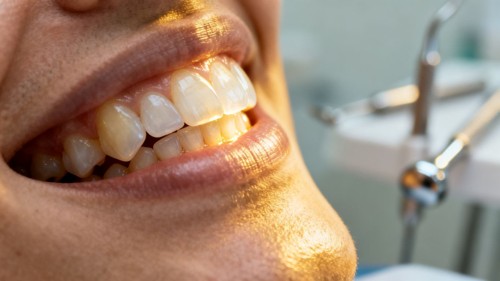
Choosing the right material for dental restoration is a major decision for any patient looking to maintain their long-term oral health. You likely want an option that balances appearance with reliable performance, which is why most people opt for resin-based solutions to repair cavities. Here's how the team at Smile Hawaii in Kahului helps patients understand the expected lifespan of their fillings and plan for future maintenance.
What's the Average Composite Filling Lifespan?
Most people wonder about the functional longevity of their dental work during a routine consult. While there is no single answer for every person, these resin restorations typically remain effective for five to seven years under normal conditions, and often longer with excellent care. Factors such as your daily diet, oral hygiene effort, and the physical location of the cavity in your mouth influence how long the material holds up before needing a professional evaluation. You can read more about the materials we use on our composite fillings page.
Signs Your Filling Needs Replacing
It is rarely obvious when a filling has reached the end of its useful life, but keeping an eye on changes in your bite is key. Many patients only notice a problem once pain becomes acute or a piece of the material visibly chips away. Regular observation of your dental work allows you to address subtle issues before they evolve into significant structural damage for the remaining natural tooth tissue.
When Should Composite Fillings Be Replaced Proactively?
Proactive care often involves identifying early indicators of structural failure rather than waiting for a toothache. Dentists recommend checking for specific signs that your restoration is experiencing fatigue or leakage. If you notice any of the following symptoms, scheduling an assessment is a wise choice to prevent further decay:
- Persistent sensitivity to cold or heat in a previously filled tooth.
- Darkening around the edges where the resin meets your tooth enamel.
- Small chips or rough sensations felt with your tongue.
- A visible gap or movement between the filling and the tooth.
Monitoring these signs ensures that minor repairs can be performed before the damage requires more invasive procedures like crowns or root canals. Catching these issues early helps protect your oral health as well as your budget.
How to Make Your Fillings Last Longer
Maintaining the structural integrity of your dental work requires a mix of diligent hygiene and awareness of your chewing habits. While these materials are quite resilient, they are not immune to the extreme forces applied during daily meals and nocturnal habits. According to MouthHealthy, the American Dental Association's patient resource, consistent brushing, flossing, and regular dental visits are the most reliable ways to extend the life of any filling material.
Habits That Wear Down Composite Fillings Faster
Certain lifestyle choices can accelerate the degradation of your fillings, placing unnecessary strain on both the resin and the bond. Understanding these wear factors allows you to modify your routine and protect your investment. The following table highlights how composite compares to other common restorative materials.
| Material Type | Estimated Lifespan | Typical Hardness |
|---|---|---|
| Composite Resin | 5-7 Years | Moderate |
| Silver Amalgam | 10-15 Years | High |
| Cast Gold | 15-20+ Years | Very High |
By staying mindful of these material differences, you can better manage your diet and habits to preserve your fillings. Avoiding overly hard or sticky foods, along with managing conditions like bruxism, remains the best way to safeguard your dental health over several years.
What Happens During a Filling Replacement?
Replacing a worn-out filling is a standard procedure that restores the tooth to its proper form and function. The dentist begins by removing the existing restoration and clearing any secondary decay that may have developed underneath. This process prepares a clean surface for the new material, ensuring a strong long-term seal. If the tooth needs more coverage than a filling can provide, our CEREC same-day crown technology can often restore it in a single visit.
Why Regular Checkups Catch Filling Problems Early
Routine exams serve as the primary defensive line for identifying compromised fillings before they become symptomatic. During these sessions, Dr. Ogata and Dr. Kim use precision tools to check the integrity of every restoration, spotting tiny fractures or gaps that are often invisible to the naked eye. Relying on professional diagnostics is far more effective than waiting for symptoms, which often appear only when a restoration has already failed.
Conclusion
Taking charge of your oral health means knowing the signs of aging in your dental restorations and acting on them promptly. By pairing excellent daily hygiene with consistent professional checkups, you can ensure your fillings perform reliably for their intended lifespan and avoid more complex treatment needs. If it's been a while since your fillings were checked, request an appointment at our Kahului office or contact us with any questions.
Frequently Asked Questions
Do composite fillings look natural?
Yes, these materials can be color-matched to your surrounding teeth, making them a very popular choice for visible areas of the mouth.
Is the replacement process painful?
Most patients experience little to no discomfort as dentists use local anesthesia to numb the area, ensuring the entire procedure is manageable.
Does coffee stain composite fillings?
While the material is resistant to staining, it can still absorb pigments from dark drinks like coffee or wine over time, which may require professional polishing.
Can I eat immediately after the replacement?
Since these fillings are cured with a special light during the appointment, the material is hardened instantly, and you can generally eat as soon as the numbness wears off.
Does grinding teeth affect filling lifespan?
Yes, chronic grinding or clenching places significant stress on the resin, which often leads to cracks and early failure of the restoration.
About the Author
The team at Smile Hawaii in Kahului, Maui is led by Dr. Lance D. Ogata, DDS, who has practiced patient-centered dentistry for over three decades, and Dr. Peter Kim, DDS. Recognized in Honolulu Magazine's 2023 Best Dentists list, our practice combines modern technology with a commitment to patient education, guiding every patient through their treatment options with clarity and care.
Medical Disclaimer
The information provided in this article is for educational purposes only and does not constitute professional medical, dental, or orthodontic advice, diagnosis, or treatment. Always seek the advice of your dentist or other qualified health provider with any questions you may have regarding a medical condition or treatment. Never disregard professional medical advice or delay in seeking it because of something you have read here.
Blog Post Author

Contributed by DentalROI
DentalROI provides relevant dental content to help providers educate patients. The statements, services, and products referenced in this article have not been evaluated by the Food and Drug Administration, and they are not intended as a substitute for professional medical advice, diagnosis, or treatment. Always seek the advice of your dental provider with any questions or issues you may have. Specific recommendations may vary in different circumstances, so individual consultation is important.