How Cosmetic Dentistry Improves Oral Health
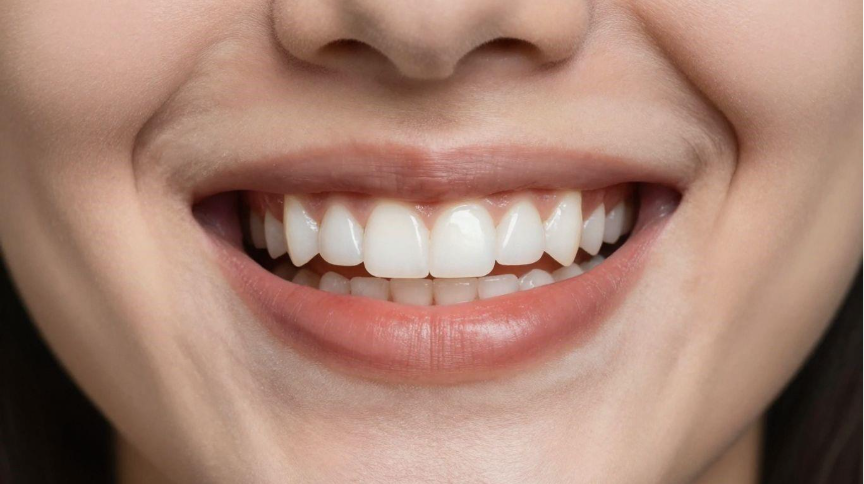
Many people think of cosmetic dentistry as just making smiles look prettier. And sure, that's a big part of it. But it turns out that getting work done to make your teeth look better can also do a lot for your actual oral health. It's not just about looks; these treatments can help keep your mouth healthier in the long run, making things easier to clean and preventing future problems. So, how cosmetic dentistry can improve oral health is a question worth exploring.
Key Takeaways
- Cosmetic dental procedures can significantly boost oral health by improving tooth alignment, which makes cleaning more effective and reduces the risk of decay and gum issues.
- Treatments like veneers and crowns not only improve appearance but also protect damaged or weakened teeth from further wear and damage, contributing to better dental health.
- Cosmetic dentistry can lead to better oral hygiene practices as patients are more motivated to maintain the appearance and health of their newly improved smile.
- Procedures such as gum contouring can address issues that make cleaning difficult, thereby supporting healthier gums and reducing the likelihood of gum disease.
- Beyond aesthetics, cosmetic dentistry offers functional benefits, strengthening teeth and improving bite alignment, which collectively contributes to overall better dental health and fewer complications.
Cosmetic Dentistry and Its Role in Oral Health
It's easy to think of cosmetic dentistry as just about making smiles look pretty, but it actually does a lot more for your mouth than just aesthetics. Many cosmetic dental procedures and oral health benefits go hand-in-hand. When teeth are straightened, for example, it's not just about how they look; it makes them easier to clean. This means less plaque buildup and a lower chance of gum problems down the road. Think of it like this: a well-organized closet is easier to keep tidy, right? Your mouth is similar.
Cosmetic dentistry can improve oral health by addressing issues that might otherwise lead to bigger problems. Treatments like veneers or crowns can protect teeth that are worn down or have small chips. They act like a shield, preventing further damage and making the tooth stronger. This is a big deal because damaged teeth can be more sensitive and prone to decay.
- Easier Cleaning: Properly aligned teeth and a balanced gum line make it simpler to brush and floss effectively.
- Protection: Restorations like crowns and veneers safeguard weakened or damaged tooth structure.
- Functionality: Correcting bite issues can prevent uneven wear on teeth and jaw discomfort.
Sometimes, cosmetic work can even help you feel more motivated to take good care of your teeth. When you're happy with how your smile looks, you're often more inclined to keep it that way through regular brushing and check-ups. It's a positive cycle that benefits your overall well-being. If you're curious about how these treatments can specifically help you, exploring options for cosmetic dental procedures and oral health benefits is a good starting point.
Improved Tooth Alignment and Bite Function
When teeth aren't lined up correctly, it's more than just an aesthetic concern. Misalignment can lead to a number of functional problems that impact your overall oral health. Think about how your upper and lower teeth meet – this is your bite. If it's off, it can put extra stress on certain teeth and jaw muscles. This can sometimes cause jaw pain, headaches, or even make chewing difficult.
Cosmetic dentistry offers solutions to straighten teeth and correct bite issues. Treatments like clear aligners or modern braces can discreetly move teeth into their proper positions. Getting your teeth aligned correctly can significantly improve how your mouth functions day-to-day. This not only makes your smile look better but also makes it easier to clean your teeth thoroughly, reducing the risk of cavities and gum problems. It's about creating a stable, balanced bite that works well.
- Easier Cleaning: Straight teeth have fewer hiding spots for plaque and food particles, making brushing and flossing more effective.
- Reduced Jaw Strain: A balanced bite distributes chewing forces evenly, lessening stress on the jaw joint and muscles.
- Prevention of Wear: Teeth that are properly aligned are less likely to grind against each other abnormally, which can prevent premature wear and chipping.
- Improved Chewing: A correct bite allows for more efficient and comfortable chewing of food.
Addressing issues with tooth alignment and bite function through cosmetic procedures can bring relief from discomfort and contribute to better long-term oral health. It's a step towards a mouth that not only looks good but feels and works great too.
Strengthening and Protecting Damaged Teeth
Cosmetic dentistry steps in when teeth are weakened, cracked, or missing — and it's about more than just appearances. Procedures like crowns, composite fillings, and dental implants can restore the strength and function of damaged teeth. Crowns, for instance, cap over a tooth to protect it after decay or a root canal, acting almost like a helmet for your tooth, keeping it safe from further damage and everyday wear.
Here's a quick overview of common treatments focused on reinforcing teeth:
- Crowns: Cover and protect teeth that are cracked, heavily filled, or weakened by injury or decay.
- Veneers: Thin shells of porcelain or resin that can restore the surface and integrity of chipped or moderately worn teeth.
- Dental Implants: Permanent replacements for missing teeth; they help maintain chewing strength and keep adjacent teeth in place.
- Bonding: Composite materials repair minor chips and cracks, strengthening weak spots and improving durability.
Restoring damaged teeth with modern cosmetic treatments means you’re not just fixing how they look — you’re making sure your teeth stay strong, safe, and useful for years. This isn’t just about boosting confidence; it’s about being able to chew comfortably and avoid bigger problems down the line.
Cosmetic dental services, such as crowns and implants, do more than repair—they actually support the tooth structure and prevent future breakdowns, which can be vital for anyone hoping to keep their natural smile healthy and functional (significantly enhance your smile's appearance).
Lots of patients are surprised by just how much these procedures can improve daily life. Eat, speak, and smile without worry, all while knowing your teeth are tough enough to last.
Enhanced Oral Hygiene and Reduced Risk of Dental Issues
It's easy to think of cosmetic dentistry as just about making your smile look pretty, but it actually does a lot more for your mouth's health. When teeth are properly aligned, for instance, it becomes much simpler to clean them thoroughly. This means less plaque buildup, which in turn helps prevent gum problems and other issues down the line. Think about it: crooked or crowded teeth can hide spots where bacteria love to hang out, making regular brushing and flossing less effective.
Procedures like veneers or crowns don't just cover up imperfections; they also add a protective layer to teeth that might be worn down or weakened. This shielding helps stop further damage and makes the tooth stronger. For those who have lost teeth, dental implants are a great option not only for appearance but also because they help maintain the bone in your jaw, which is pretty important for the overall structure of your face and mouth.
Cosmetic improvements often make it easier to keep your mouth clean and healthy.
- Teeth Whitening: While primarily for aesthetics, a brighter smile can motivate individuals to maintain better oral hygiene habits to preserve the results.
- Orthodontics (Braces/Aligners): Properly aligned teeth are easier to clean, reducing the risk of cavities and gum disease.
- Veneers and Crowns: These can protect damaged or worn enamel, preventing further decay and sensitivity.
- Dental Bonding: Can repair chips and cracks, smoothing rough surfaces that could otherwise trap food particles.
When your teeth and gums are in better shape, you're less likely to run into problems like cavities, gum disease, and even bad breath. It's a win-win situation where looking good and feeling good go hand-in-hand with being healthy.
Gum Health Benefits Linked to Cosmetic Dentistry
It's easy to think of cosmetic dentistry as just making teeth look pretty, but it actually does a lot for your gums too. When teeth are properly aligned, for instance, it makes them much easier to clean. This means less plaque buildup, which is a major win for gum health. Think about it: if your teeth are crowded or crooked, brushing and flossing can be a real challenge, leaving spots for bacteria to hang out and irritate your gums. Procedures like gum contouring can also play a role. Sometimes, gums can grow unevenly, covering too much of the tooth or creating little pockets where food and plaque get trapped. Reshaping the gum line can fix this, making it easier to keep everything clean and reducing the chances of gum inflammation or disease. Cosmetic dentistry, by improving the overall structure and accessibility of your teeth, directly supports healthier gums. This contributes to better oral hygiene and can help prevent future dental issues. It's a win-win situation where a better-looking smile also means a healthier mouth overall. So, when you're considering cosmetic treatments, remember that the benefits often go deeper than just aesthetics, positively impacting your gum health and contributing to your long-term dental well-being.
A Brighter Smile, A Healthier You
So, it turns out that cosmetic dentistry is more than just making teeth look pretty. Many of these treatments actually help keep your mouth healthier in the long run. Things like straightening teeth make them easier to clean, and things like veneers or crowns can protect teeth that might be a bit worn down. Plus, when you feel good about how your smile looks, you're more likely to take better care of it overall. It's a win-win situation that can lead to a healthier mouth and a more confident you. So don’t wait, book your appointment today with Drogata to explore cosmetic dentistry options that enhance both your smile and oral health.
Frequently Asked Questions
Can cosmetic dental work actually help my teeth stay healthy?
Yes, it can! Many cosmetic treatments do more than just make your smile look good. For example, straightening crooked teeth makes them easier to clean, which helps prevent cavities and gum problems. Also, fixing chipped or damaged teeth with things like crowns or bonding stops further decay and protects the tooth.
What's the difference between cosmetic dentistry and regular dental care?
Regular dental care, or general dentistry, focuses on keeping your teeth and gums healthy by preventing and treating problems like cavities and gum disease. Cosmetic dentistry, on the other hand, is mainly about making your smile look better – think whiter, straighter, or more perfectly shaped teeth. However, these cosmetic improvements often lead to better oral health too.
How does having a nicer smile boost confidence?
When people are happy with how their teeth look, they tend to smile more openly and feel more sure of themselves. This can make social situations easier, improve how they present themselves in school or at work, and generally lead to a more positive outlook. It's amazing how much a great smile can affect how you feel about yourself.
Are cosmetic dental treatments safe for my teeth?
Absolutely. Dentists use modern techniques and safe materials for cosmetic procedures. Treatments like veneers, crowns, and bonding are designed to protect your natural teeth while improving their appearance. They are generally very safe when performed by a qualified dental professional.
How long do cosmetic dental improvements last?
The length of time cosmetic treatments last can vary. Simple things like teeth whitening might need touch-ups every so often. However, more involved treatments like veneers or dental implants are made to be very durable and can last for many years, sometimes even a lifetime, with good care.
What are some common issues that cosmetic dentistry can fix?
Cosmetic dentistry can address a variety of concerns. This includes things like teeth that are stained or discolored, chipped or cracked teeth, gaps between teeth, slightly crooked or crowded teeth, and even uneven gum lines. The goal is to create a smile that is both beautiful and balanced.
Blog Post Author

Contributed by DentalROI
DentalROI provides relevant dental content to help providers educate patients. The statements, services, and products referenced in this article have not been evaluated by the Food and Drug Administration, and they are not intended as a substitute for professional medical advice, diagnosis, or treatment. Always seek the advice of your dental provider with any questions or issues you may have. Specific recommendations may vary in different circumstances, so individual consultation is important.